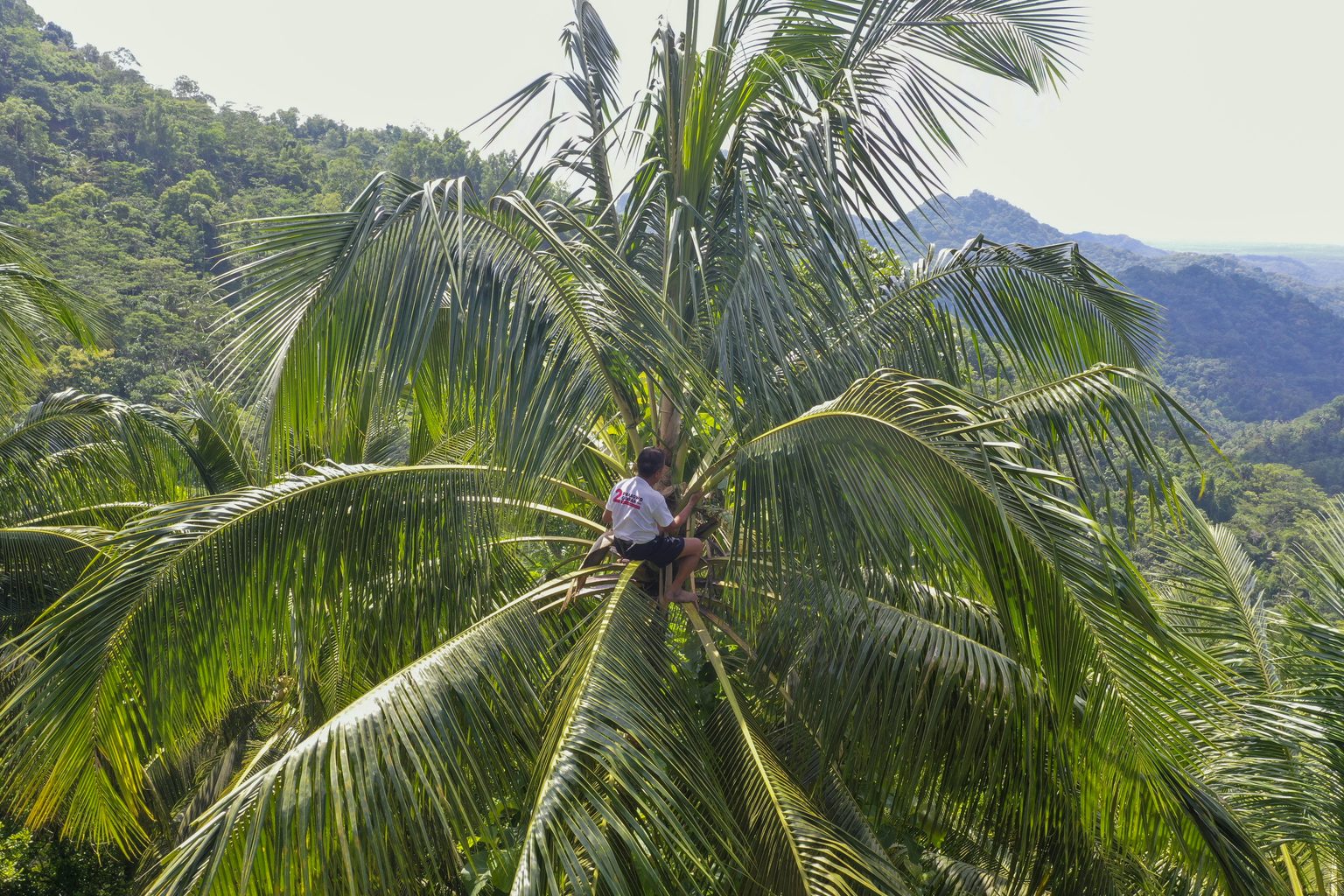
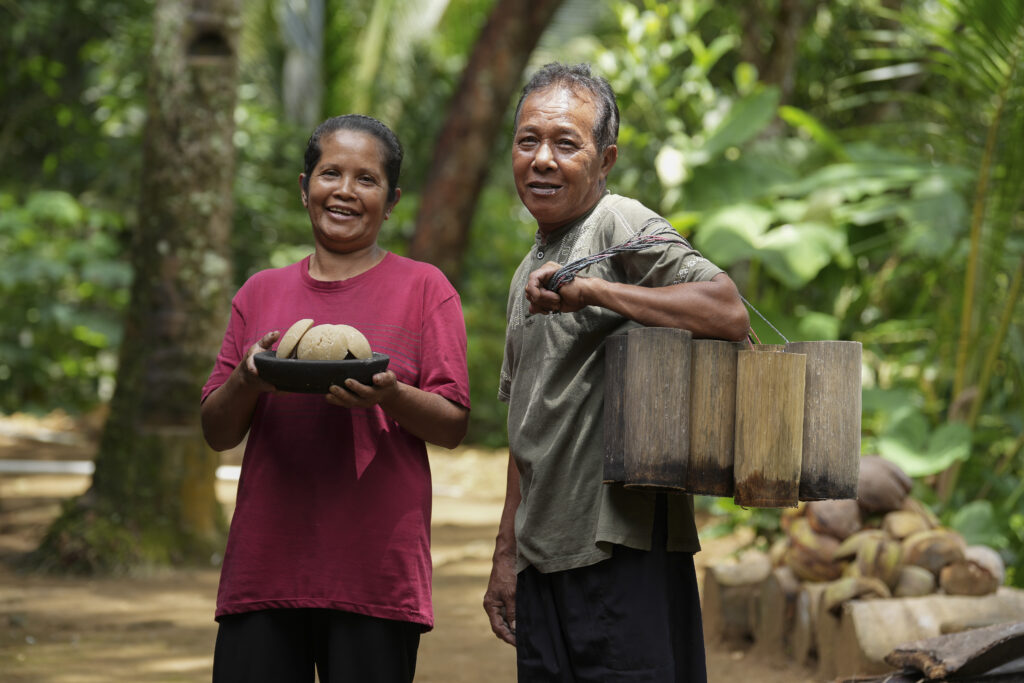
For generations, farmers throughout Indonesia have climbed coconut palms twice a day to collect the sap known as nira, which is used to sweeten food.
“My grandfather passed it down to my father, and my father passed it down to me,” says Kasimin, a farmer from Kalirejo in Java, as he demonstrates how to cut the coconut flower stalk, so the sap flows into a bamboo container.
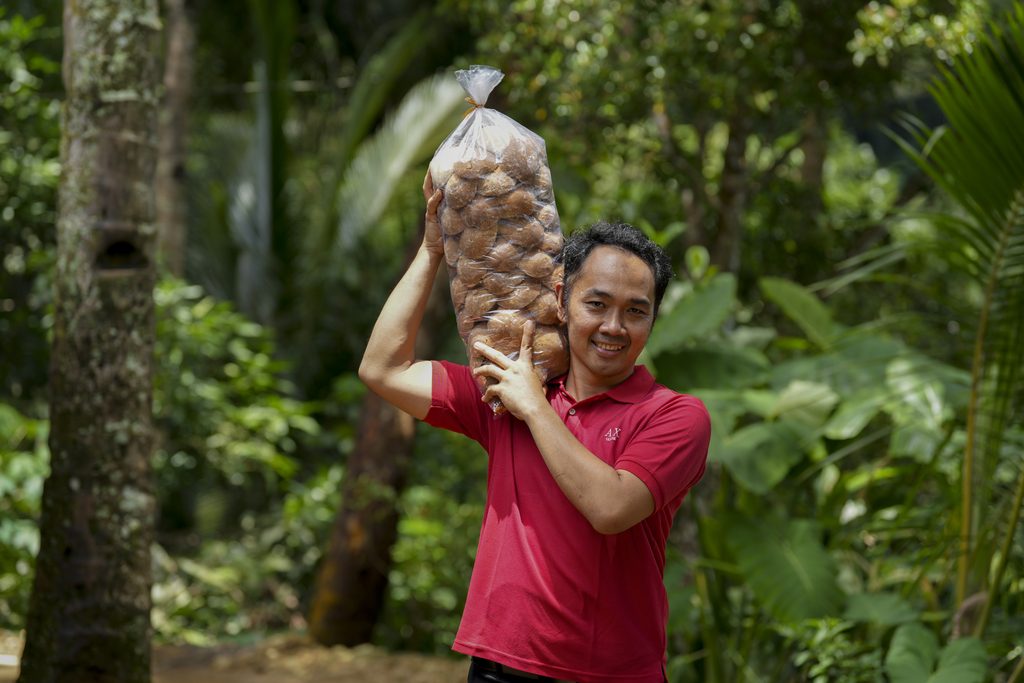
Today, Big Tree Farms buys coconut nectar and raw coconut sugar from more than 19,000 Indonesian smallholder farmers, helping preserve a centuries-old tradition in the modern economy.
The company works with farmers to introduce regenerative agricultural practices, including using goat manure as fertiliser and planting legumes to improve soil health.
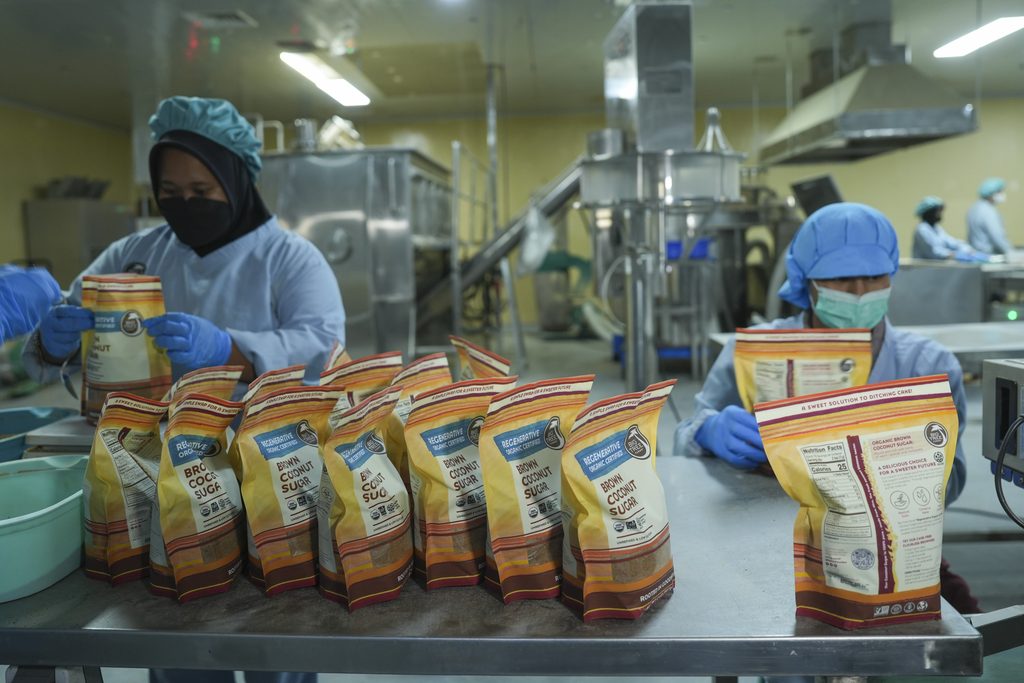
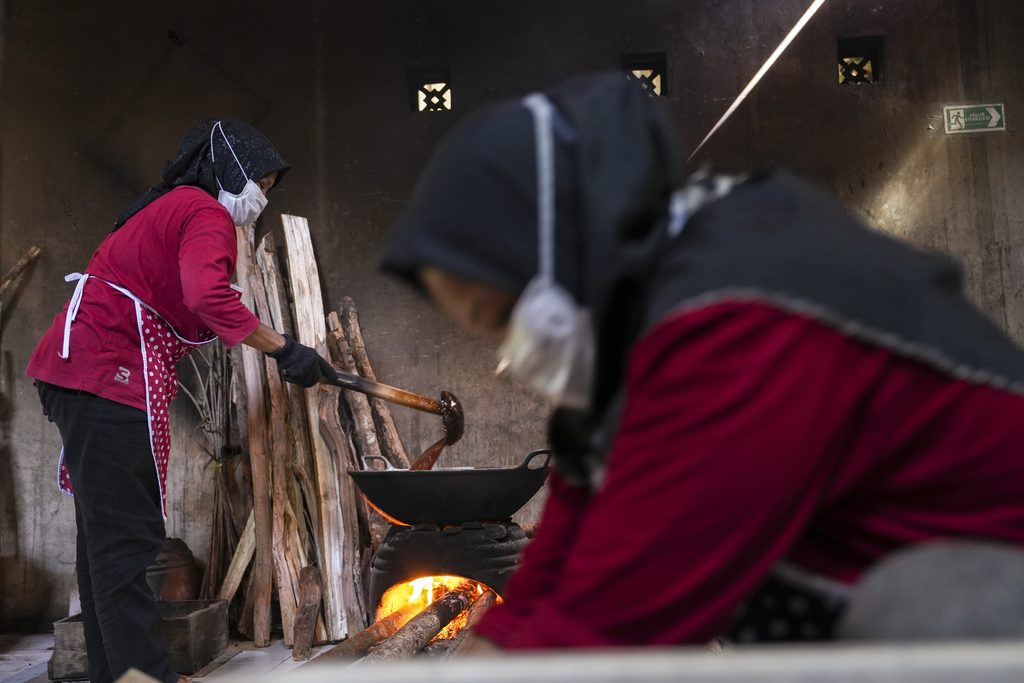
Big Tree Farms then processes the nira and coconut sugar into sweeteners, condiments and sauces to meet the global demand for organic products.
Closing the finance gap
The regenerative farming practices championed by Big Tree Farms enables farmers to maintain productive land without clearing forests or converting their farms to single-crop agriculture.
But accessing finance that allows sustainable companies such as Big Tree Farms to expand, and partner with more local businesses, can be difficult.
Many small to medium-sized enterprises are too large to qualify for microloans but too small to attract major institutional investors.
The Asia Climate-Smart Landscape Fund (ACLF) aims to address this gap by financing businesses in sustainable agriculture, agroforestry and aquaculture across Indonesia.
Managed by ADM Capital, the fund supports companies – including Big Tree Farms – that can deliver financial returns alongside measurable environmental and social benefits.
These include reducing greenhouse gas emissions, improving land management, protecting forests, strengthening rural livelihoods and increasing women’s economic participation.
Bringing Australian investors into Indonesia
Australia is helping mobilise investment in the Asia-Climate Landscape Fund through a partnership with leading Australian philanthropic foundations.
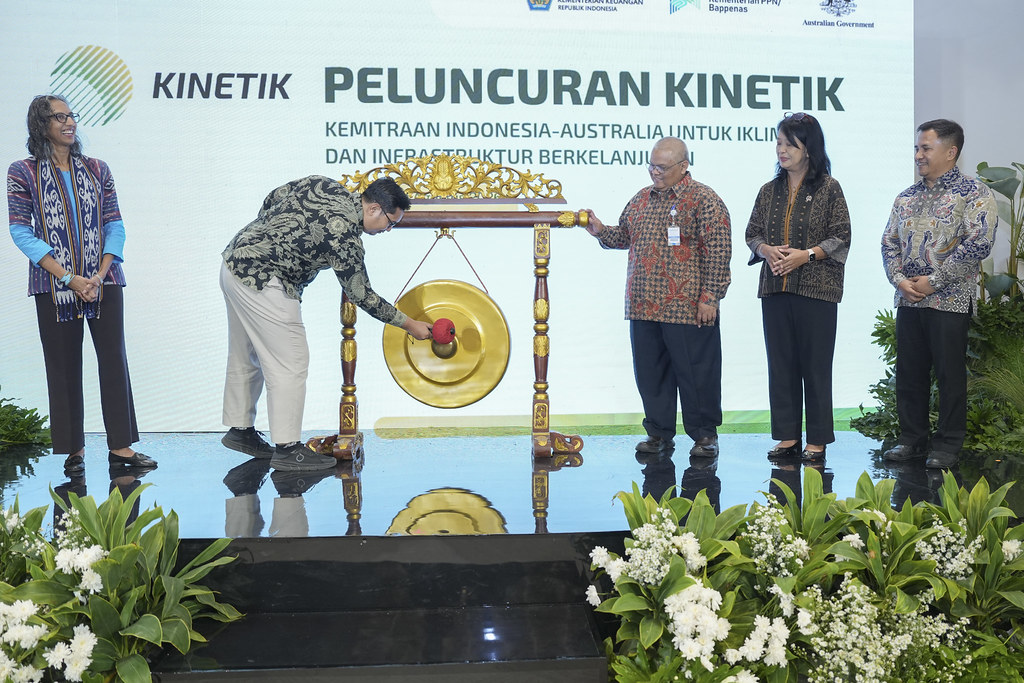
KINETIK, the Australia-Indonesia Climate and Sustainable Infrastructure Partnership, is investing USD 8 million through the Australian Government’s flagship impact investment fund, Australian Development Investments (ADI).
Australian philanthropic investors the Minderoo Foundation, the Paul Ramsay Foundation and the LEEAF Trust have contributed another USD 8.65 million.
The investment is made through ADI Climate Partners, a new investment vehicle designed to make it easier for Australian foundations and family offices to invest in Indonesia.
By pooling smaller investments into a single vehicle, ADI Climate Partners helps reduce costs and barriers that might otherwise discourage investors from entering the Indonesian market.
This gives Australian investors opportunities to support businesses that are tackling climate change while also generating financial returns.
Minderoo Foundation CEO John Hartman said his foundation’s investment reflected its commitment to mobilising capital for positive and large-scale environmental change.
“By partnering with Australian Development Investments, we are helping unlock the long-term finance needed to support and safeguard critical ecosystems and sustainable agriculture in Indonesia.”
Ben Smith, Director, Investing and Impact Capital at the Paul Ramsay Foundation, encouraged other Australian investors to join, saying he believed the fund structure represented genuine innovation and impact.
“By co-investing with Australian Development Investments in the Asia Climate-smart Landscapes Fund through our Endowment Impact Fund we can work with values-aligned investors to create meaningful impact in a way which is consistent with our Fund’s investment thesis,” he said.
Investing in a sustainable future
Indonesia is home to the world’s third-largest tropical rainforest and is a major agricultural producer.
How the country manages its forests and agricultural landscapes has important implications for global efforts to tackle climate change.
In Kalirejo, regenerative farming practices also enable Kasimin and other coconut farmers to sell organic nira, which can command higher prices.
“Almost everyone here relies on sap tapping,” Kasimin says. “With this income, people can buy motorbikes, build houses and buy TVs.”