Gorontalo solar power plant visit showcases KINETIK investment in renewable energy
Oct 07, 2026
3 Min
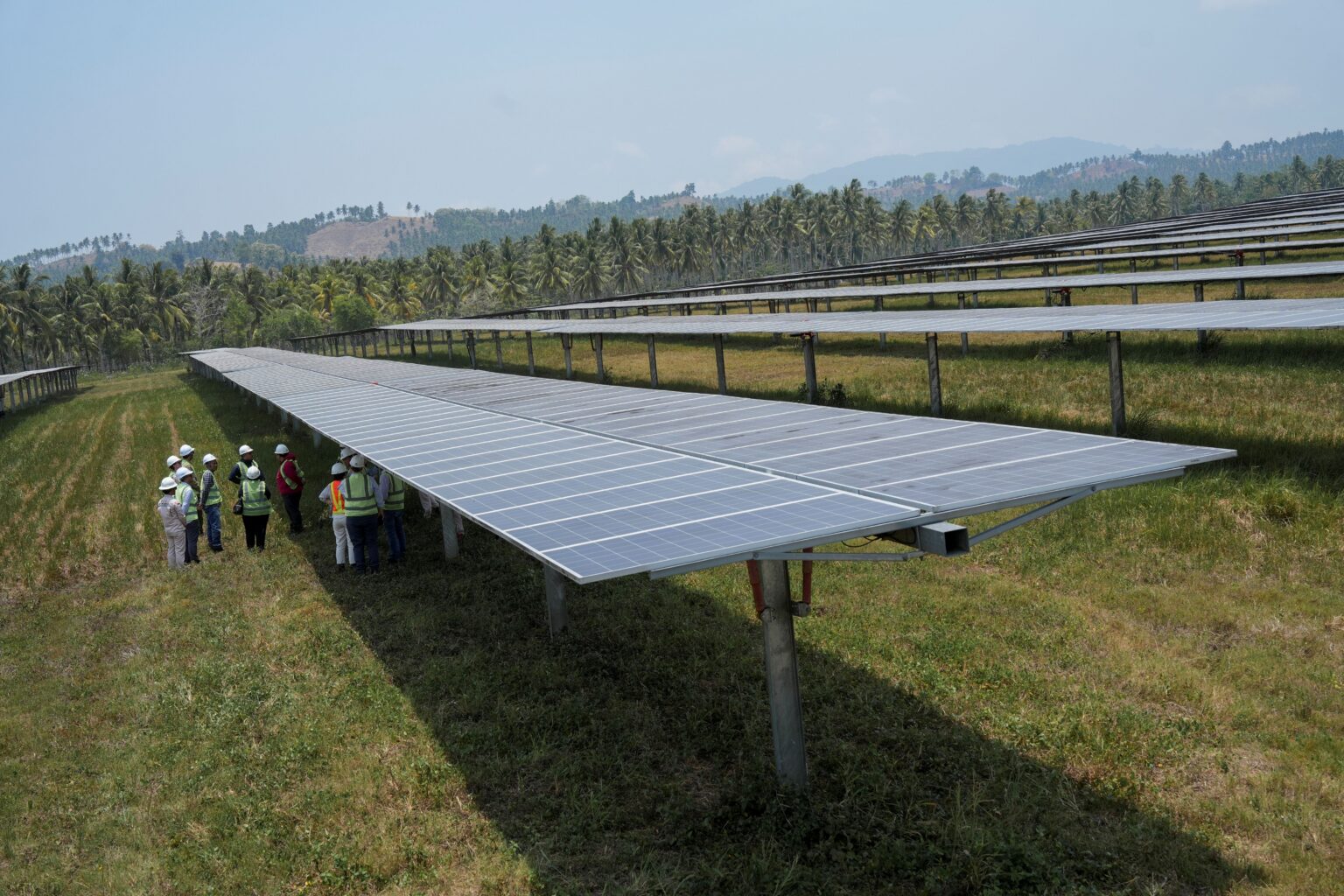
A delegation including Ministry of Finance and Bappenas officials visited a solar power plant in Gorontalo in Eastern Indonesia on September 22 to learn how KINETIK is helping to attract private investment into renewable energy.
The visit came a month after Indonesian President Prabowo Subianto formally announced a large expansion of solar generation across Indonesia, setting a target of developing 100 gigawatts of solar power within three years.
The 40-hectare solar farm in Gorontalo is operated by Bright Nusantara Energy, which was acquired for US 35 million by the KINETIK Affirma Capital Climate Transition Fund I in June.

Bright Nusantara Energy, which also operates a solar farm in East Lombok and a hydro-power plant in West Sumatra, was the first investment under the KINETIK Fund.
The fund, which is managed by Affirma Capital, was launched in 2025, with a cornerstone investment of 50 AUD million from the Australian Government through the Private Infrastructure Development Group.
First Secretary Climate Finance at the Australian Embassy in Jakarta, Laura Phillips, said the KINETIK Fund was established to invest in climate and renewable energy projects in Indonesia.
“The fund is intended to mobilise additional capital on top of that initial 50 million, so we can scale the impact of Australia’s investment,” she told local government officials in Gorontalo.
Winston Mandrawa, Managing Director and Head of Southeast Asia at Affirma Capital, said the KINETIK Fund had a target size of USD 200 million, half of which would be invested in renewable energy platforms.

The KINETIK Fund has a focus on investing in circular economy, waste and water, transportation and logistics, and renewable energy, with a target of 20% private equity returns.
Mr Mandrawa said Affirma Capital was proud that the KINETIK Fund’s first investment – Bright Nusantara Energy – operated three renewable energy sites in diverse parts of Indonesia.
The company currently operates 30 megawatts of hydro and solar projects, with another 22 megawatts planned in the near term and more than 200 megawatts in the pipeline.
“Most investments go to Java – or even just stay in Jakarta – but this is truly an investment across Indonesia,” Mr Mandrawa said.
The Gorontalo solar plant, commissioned in January 2020, supplies electricity to state-owned utility Perusahaan Listrik Negara (PLN) under a 20-year power purchase agreement.
Bright Nusantara Energy has a Corporate Social Responsibility (CSR) program with the surrounding community.
This includes donating groundwater wells and playground equipment, renovating schools, providing internships for local students, partnering with local micro, small and medium-sized enterprises, and donating equipment to the local maternal health clinic.
Bright Nusantara Energy Country Director, Raul van Ree, said Indonesia had introduced tax incentives for renewable energy power producers and removed foreign ownership restrictions to attract investors.
“We think that with all these improvements that the government has implemented, we will see a large and progressive deployment of renewable energy in the country over the coming years”, Mr van Ree said.
“It will support local industry and attract investment in Indonesia, and it will support local manufacturing. I think it’s a pivotal moment for Indonesia in the renewable energy sector and for the economy of Indonesia.”