Nine Indonesian climate businesses selected as KINETIK Sweef Fellows
Oct 01, 2026
3 Min

Nine Indonesian businesses developing solutions to climate and sustainability challenges will receive coaching to help them attract investment as part of the KINETIK Sweef Entrepreneurs Program.
The second cohort of KINETIK Sweef Fellows – Sirsak, Charged, Boolet, Ikanesia, Jejakin, Rekosistem, Liberty Society, Z Bio and Liquid8 – were announced at an event in Jakarta on September 30.
Their climate and waste solutions include transforming chopsticks into furniture, using Black Soldier Flies to convert organic waste into fertiliser, creating animal feed from fish and agricultural waste and reselling excess stock online.
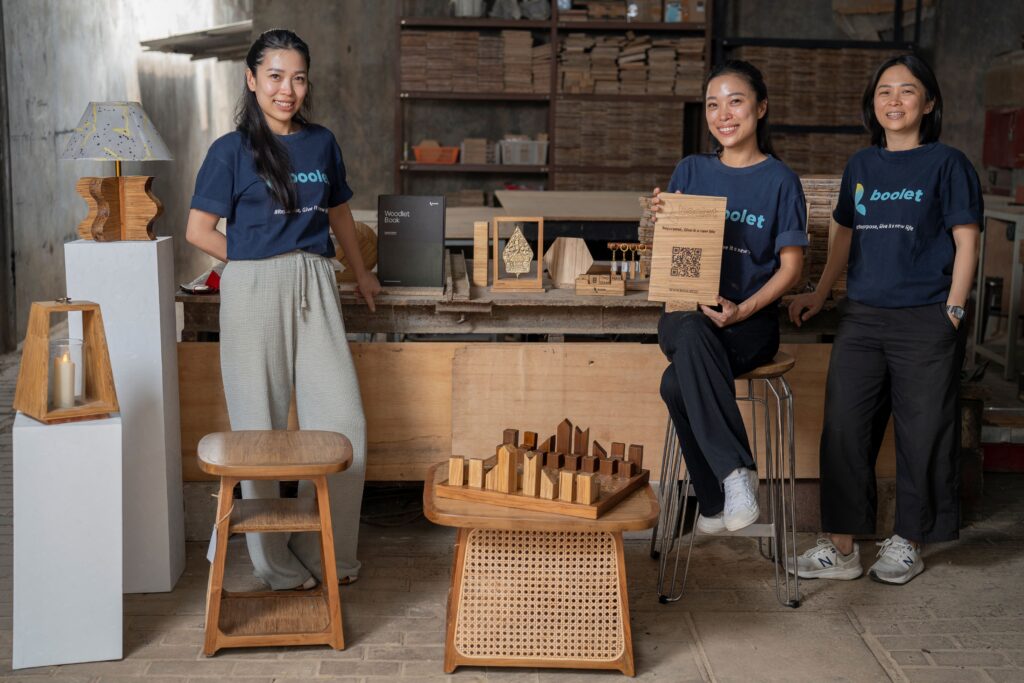
Boolet turns chopsticks and satay skewers into furniture and home accessories. Photo: JEFRI TARIGAN
The businesses also help companies collect and recycle used packaging, monitor environmental and reforestation projects, expand access to electric motorcycles and create gifts from plastic, cardboard and textile waste.
The fellowships are part of the KINETIK Sweef Entrepreneurs Program, which is delivered by the Sweef Institute and supported by KINETIK.
Each Fellow will receive business coaching to help them strengthen their operations, improve gender equality, reach new markets and attract investment.
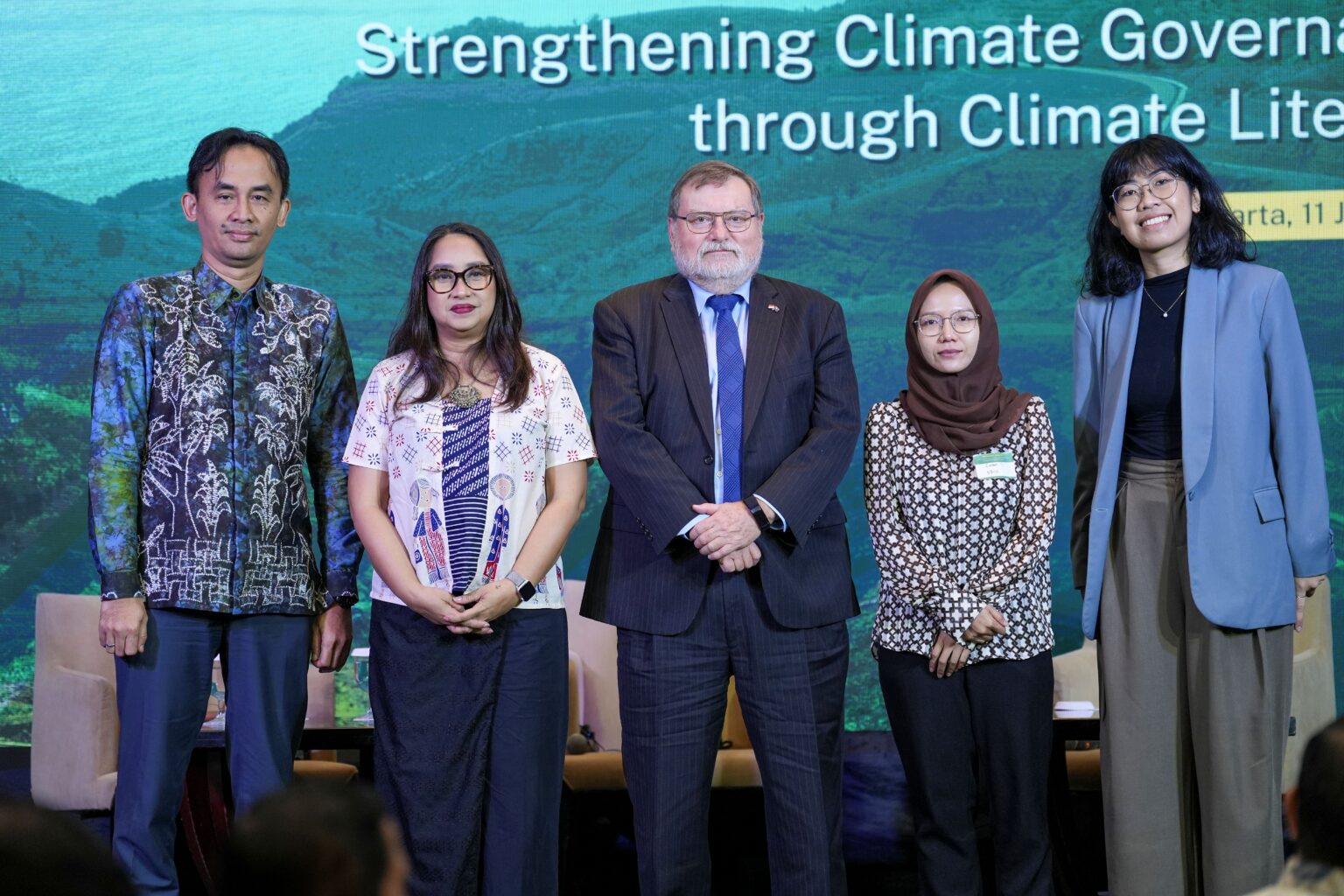
“Investors need compelling evidence that a business can grow, deliver results and create lasting impact,” said Natalie Mendelsohn, Australian Embassy’s Counsellor for Climate and Sustainable Infrastructure.
“This program will assist the Fellows build a strong case for investment and secure the capital they need to take their solutions to scale.”
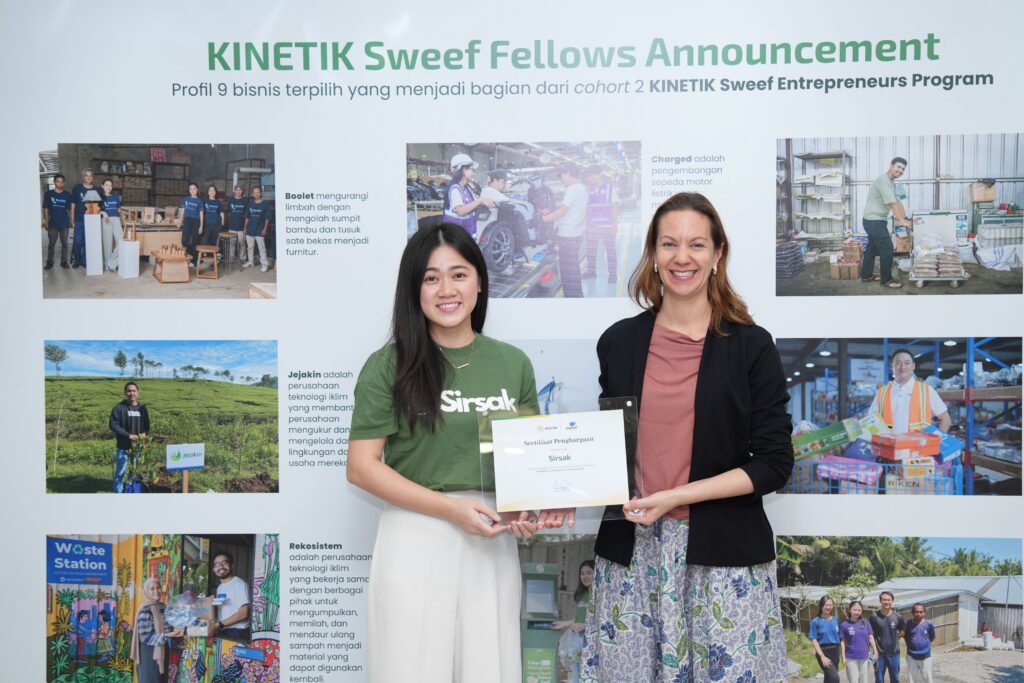
Jennifer Buckley, the Managing Director of women-led impact investment fund Sweef Capital, said that when people heard the words “investment readiness”, they often thought about a pitch deck, a financial model or meeting investors.
However, she told the event that investment readiness started much earlier.
“Does the company understand its customers? Is there a compelling commercial proposition? Does it have the operational systems and people required to grow? And is the financing being sought actually the right financing for that business at that particular stage?”
Ms Buckley hoped that by the end of the program, every Fellow could point to something that had changed in their business. “A stronger system, a new customer, a market tested, a product validated, better evidence, greater impact, or a financing pathway that has become possible.”
Alner, a Jakarta-based business that helps reduce single-use plastic waste by selling everyday products, such as rice and soap, in reusable containers, was part of the first cohort of KINETIK Sweef Fellows.
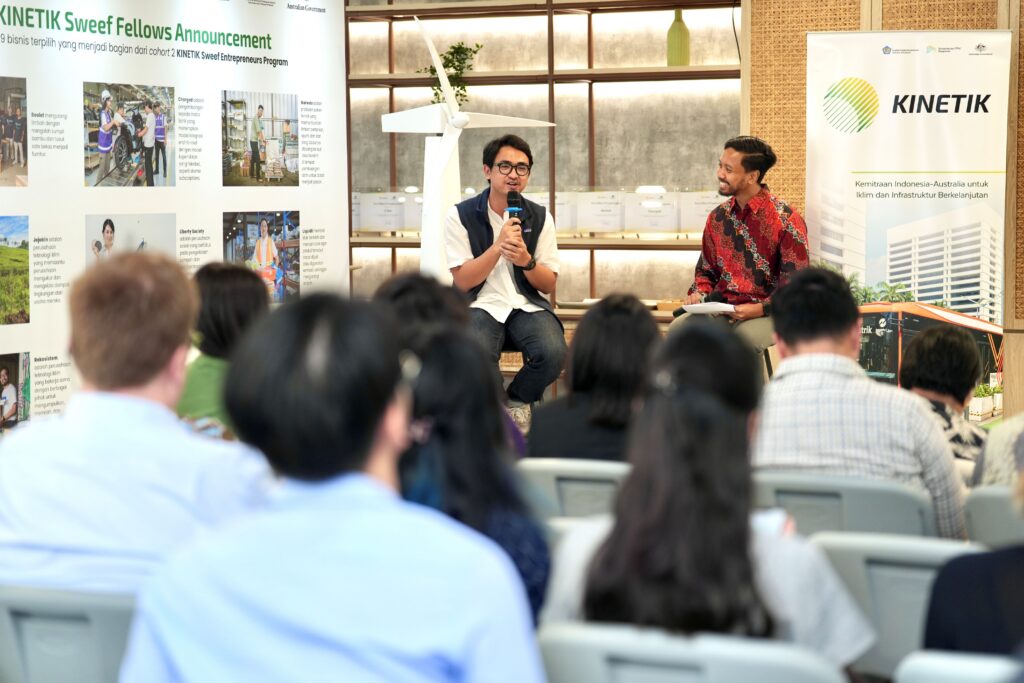
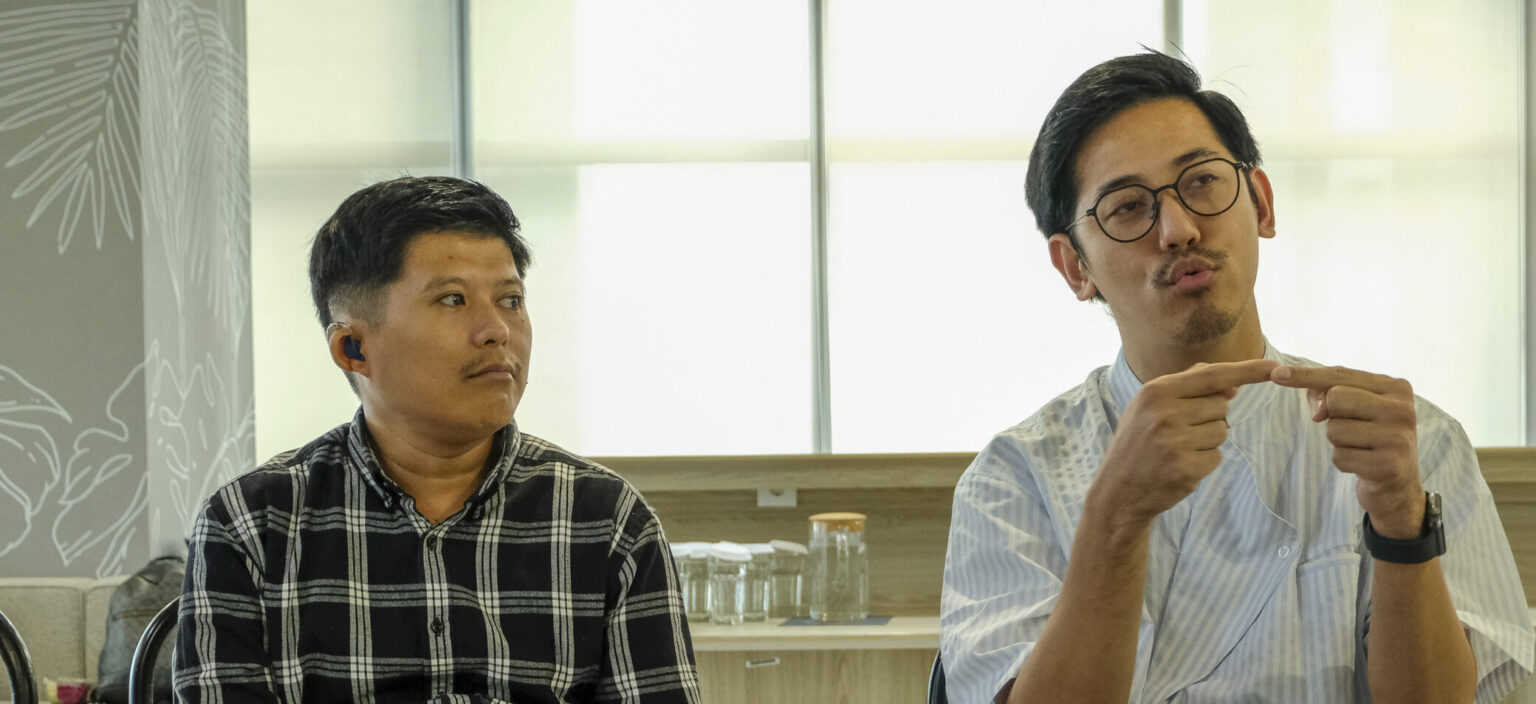
Co-Founder and CEO Bintang Ekananda told the event the KINETIK Sweef Entrepreneurs Program helped Alner measure its impact, make its operations more sustainable and make hiring more inclusive.
“For our deliveries, for example, we are now trying to use electric motorbikes from Charged, which is part of the second cohort,” he said.
Bintang said Alner was receiving its first equity investment this year as a result of the progress it had made in measuring its impact and strengthening its business fundamentals.
“We have just signed with a shareholder, although it has not yet been publicly announced,” he said.
His tips for the new KINETIK Sweef Fellows?
“My advice would be to stay open and communicate your needs clearly, so that the assessment of what you need is accurate and the support you receive can be as targeted and useful as possible.”