KINETIK consults women and disability groups
Aug 07, 2026
6 Min
Climate and infrastructure solutions work better when they reflect the experiences of all communities.
KINETIK met with disability organisations and women’s groups on July 22 and 23 to understand how critical issues such as climate change, the energy transition, green jobs and climate finance affect their lives.
Inclusion is at the heart of KINETIK’s work on climate resilience, innovative financing and sustainable infrastructure, underpinning all the partnership’s work over the next decade.
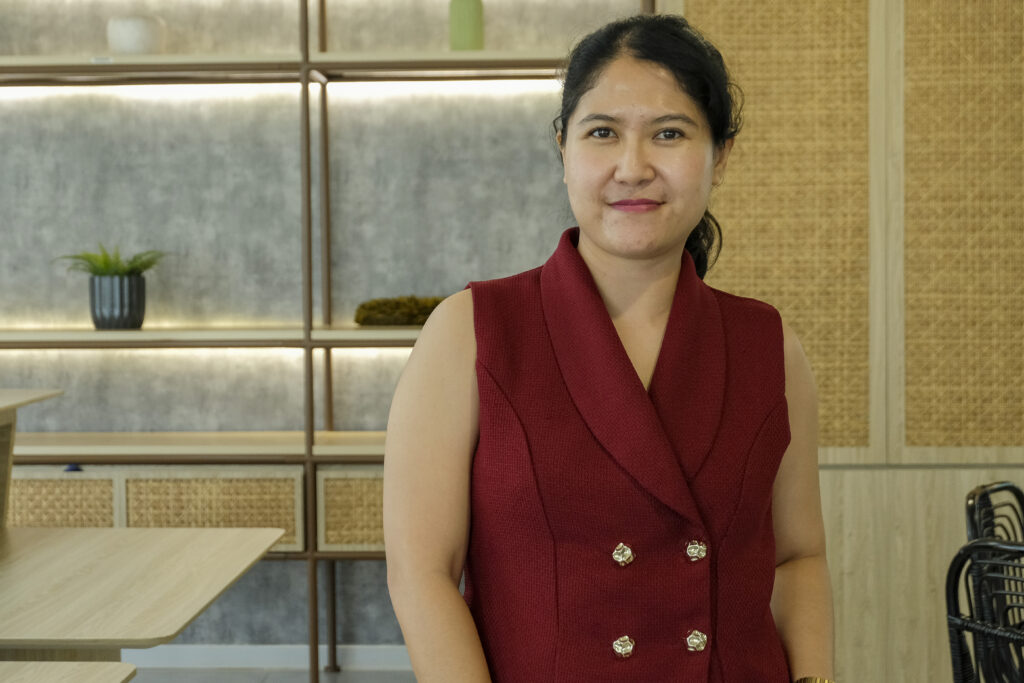
KINETIK’s Gender Equality, Disability and Social Inclusion (GEDSI) Program Manager Pujiaryati Anggiasari (Anggi) said climate resilience was often considered an environmental or technical issue, with relatively little attention given to questions of equity and social justice.
However, she said women, people with disabilities and marginalised communities were among those most vulnerable to the impacts of climate change.
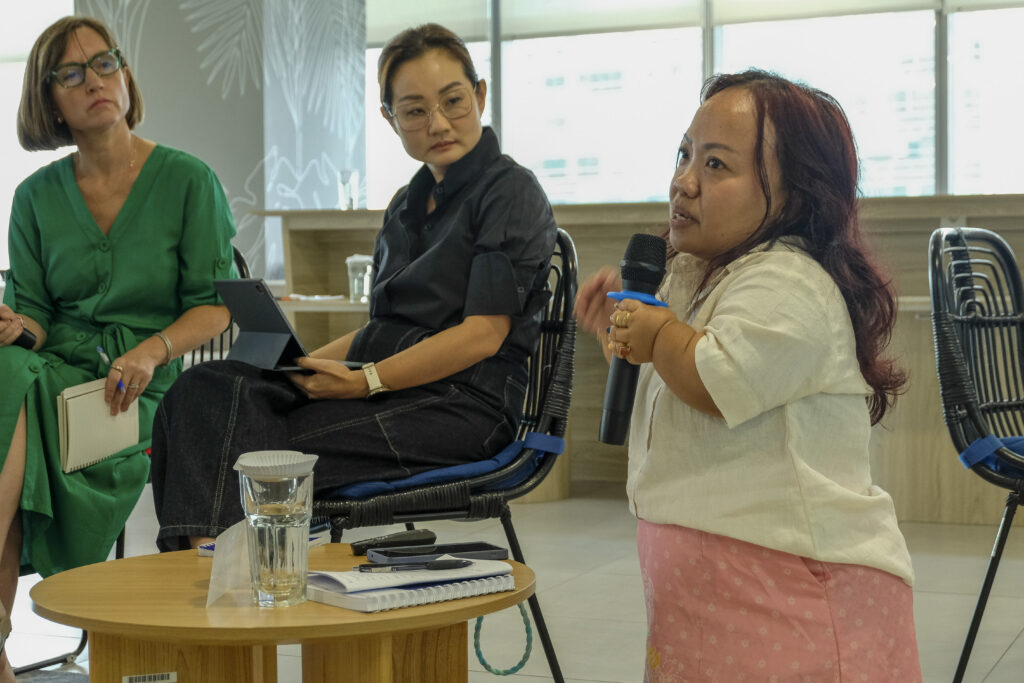
KINETIK’s Gender Equality, Disability and Social Inclusion (GEDSI) Program Manager Pujiaryati Anggiasari. Photo: JEFRI TARIGAN
“Research suggests (people with disabilities) may face up to four times greater risk during climate-related disasters and emergencies,” Anggi said.
She asked the organisations: “From your perspective, what are the issues that deserve greater attention?”
Participants in the consultations said energy decisions were often made without meaningful participation by women, people with disabilities and affected communities.
Women were required to absorb the unpaid work created by unreliable electricity, water scarcity and the energy transition.
They simply had to adapt, for example, when decisions were made to change household cooking fuel from firewood to kerosene to LPG to electric.
People with disabilities said they relied heavily on digital technology and assistive devices in their daily lives and were severely affected if electricity services were disrupted.
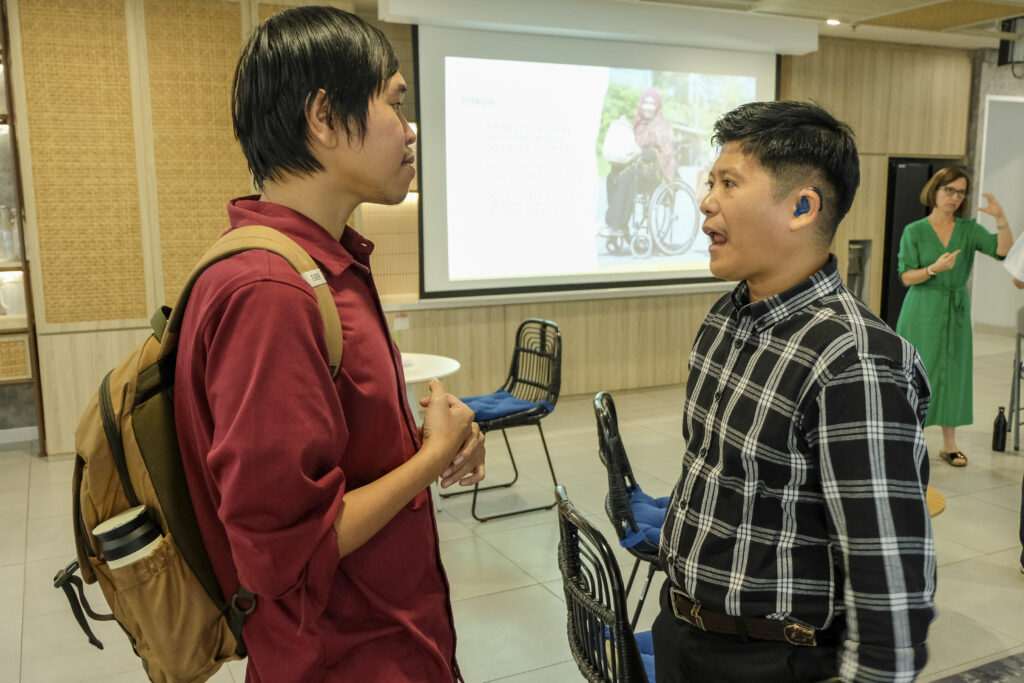
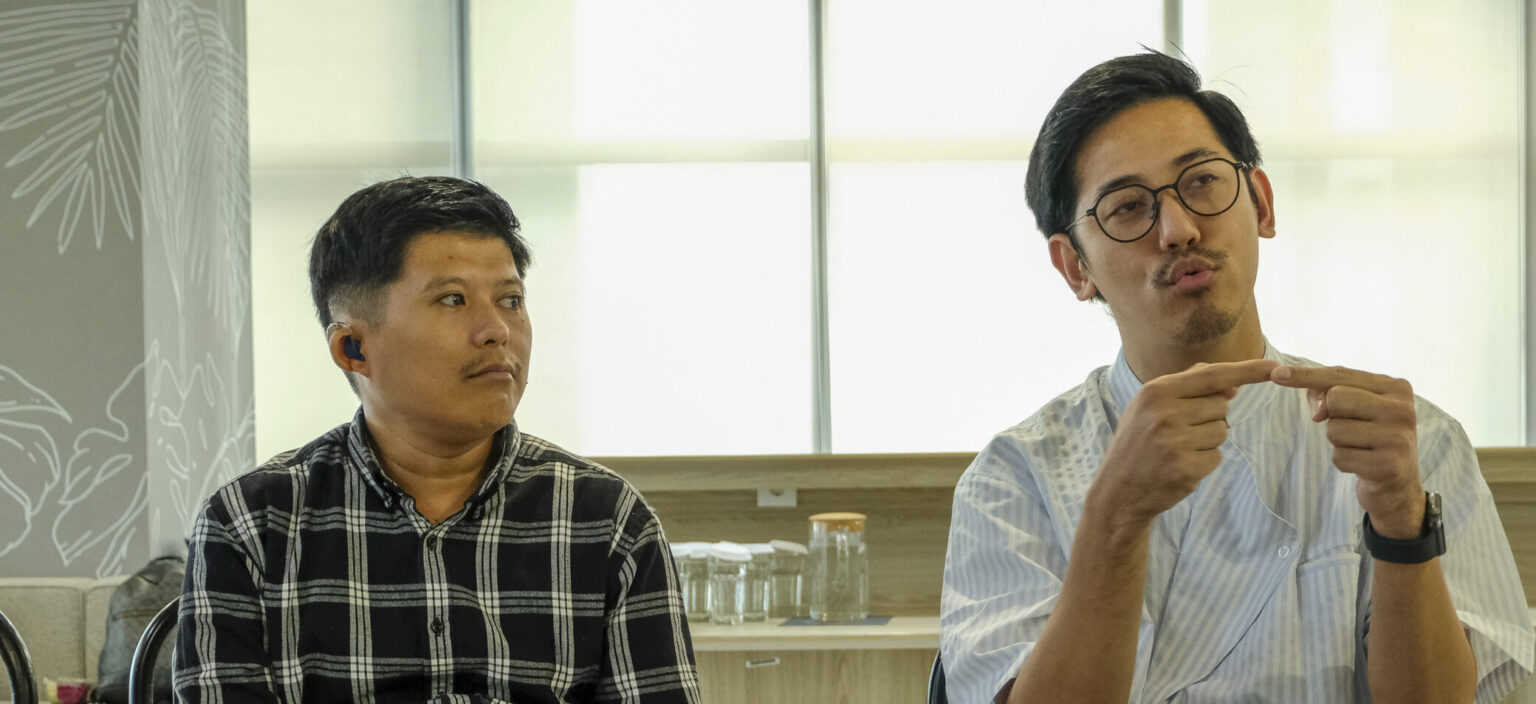
Dendy Arifianto, the Chair and Advocacy Officer of PERTUNI, the Indonesian Blind Association (left) and Andi Kasri Unru (Akas), from GERKATIN, the Indonesian Movement for the Welfare of Deaf People. Photo: JEFRI TARIGAN
“Whether at the branch, provincial or national level, people with disabilities have rarely been involved in discussions about energy,” said Dendy Arifianto, the Chair and Advocacy Officer of PERTUNI, the Indonesian Blind Association.
“It sometimes feels as though people assume that people with disabilities don’t need energy or aren’t affected by energy policy.”
Yustitia Arief, Director at Advocacy for Disability Inclusion (Audisi) Foundation, said it was important to consider how women – especially those who lived outside of Jakarta – could participate in decision making.
“Women are expected to manage domestic responsibilities, while village meetings, community consultations and decision-making forums are attended by men,” she said.
“Women may only hear about the outcomes afterwards – from their husbands and sons – rather than participating directly.”
Yustitia said many women lacked confidence and it was important to empower them to find their voices.
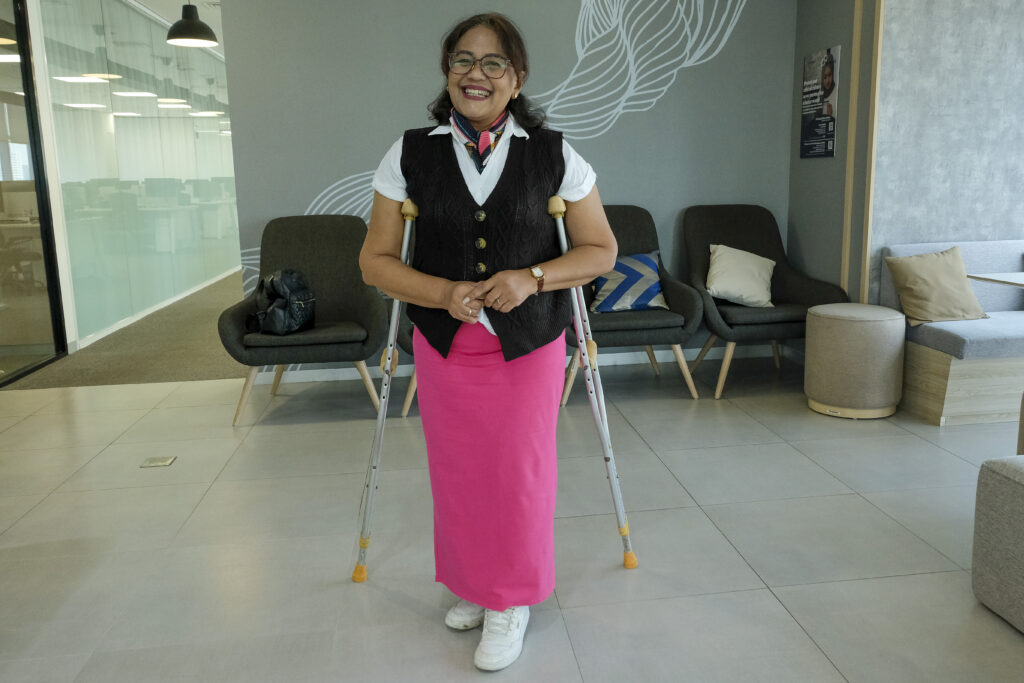
Yustitia Arief, Director at Advocacy for Disability Inclusion (Audisi) Foundation.
Photo: JEFRI TARIGAN
Climate resilience, innovative finance and the energy transition are often discussed using technical language, which locks those who have limited understanding of the concepts out of being involved in decisions that affect their lives.
They are also not aware and able to take up opportunities – such as green jobs – that will enable them to benefit from the transition.
“Many Organisations of Persons with Disabilities and women’s organisations still have limited understanding of the links between energy and climate change,” said Haris Oematan, the Director of Yayasan CIS Timor Indonesia.
Yaysan CIS Timor is an NGO based in Kupang, which focuses on disaster resilience, climate adaptation, education, water, sanitation and hygiene and inclusion in communities across East Nusa Tenggara.
“Energy remains a highly technical subject. In many ways it’s still perceived as an elite issue that isn’t easily understood outside specialist circles.”
Mr Haris said there was a need to improve energy literacy, particularly among disability organisations.
Participants in the consultations emphasised the need for plain language, visual explanations, accessible digital platforms, Indonesian Sign Language interpretation and appropriate colour and graphic design and formats suitable for people with different disabilities.
They said accessibility should be considered from the outset, including in training platforms, consultations and public documents.
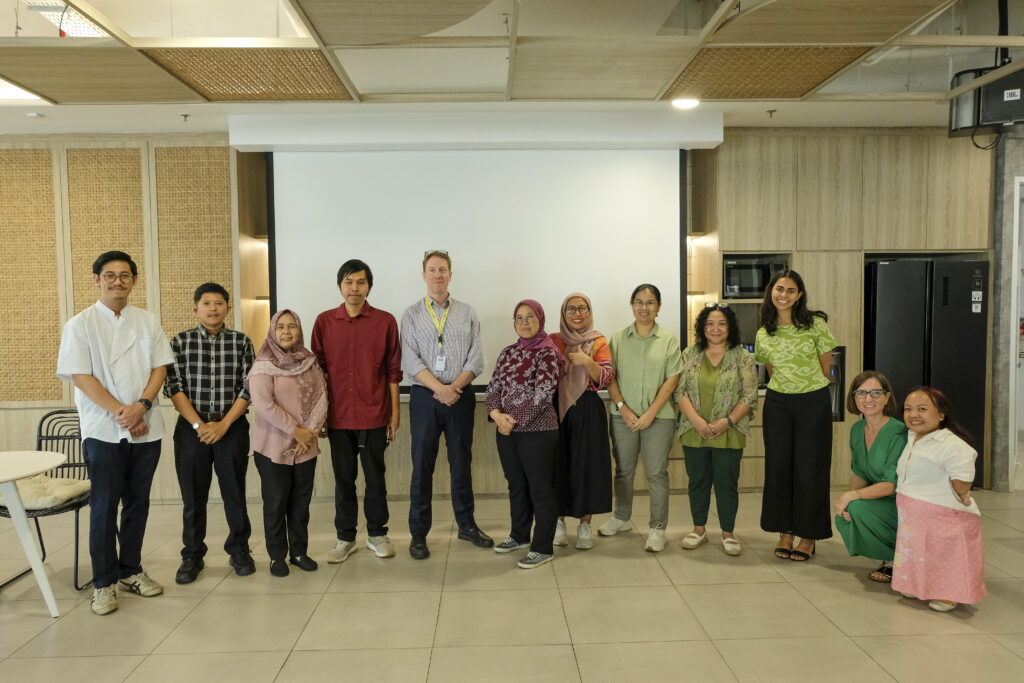
KINETIK met with disability organisations, women’s groups and think tanks on July 22 and 23. Photo: JEFRI TARIGAN
“The way deaf people understand information is often different from hearing people,” signed Andi Kasri Unru (Akas), a lawyer and disability rights advocate from South Sulawesi who works with GERKATIN, the Indonesian Movement for the Welfare of Deaf People.
“If someone says ‘green jobs’ they may wonder ‘Does that mean jobs involving trees or gardening?’ That is why abstract terminology needs to be translated into clear visual communication so that deaf audiences can understand the intended meaning.”
Akas said many deaf people had experience with accessible communication and could provide advice on what designs were most effective.
Many women-led and disability-led enterprises are micro or subsistence businesses that are not ready for conventional investment.
Barriers to obtaining finance include inaccessible information, lack of collateral, poor digital access, limited markets, weak social networks, inaccessible application systems and inadequate ongoing mentoring.
“Community-based initiatives – whether involving indigenous communities or other marginalised groups – are often viewed as too small to be bankable or financially sustainable, even when they have significant long-term social and environmental value,” said Mariska Estelita, the Business Development and Partnership Lead at Yayasan PLUS, an Indonesian organisation that supports social enterprises and social innovation.
Mariska Estelita, the Business Development and Partnership Lead at Yayasan PLUS. Photo: JEFRI TARIGAN
Participants proposed a staged model with tailored mentoring, small grants, technical assistance and feasibility support followed by blended finance or investment for businesses ready to grow.
Participants called for stronger protections for local communities affected by infrastructure or energy projects, particularly Indigenous Peoples and adat communities.
They said that although Free, Prior and Informed Consent (FPIC) is required for projects affecting Indigenous Peoples under relevant safeguards, it is not consistently applied.
“Too often communities are displaced or excluded from projects taking place on their own land,” said Sugiarto Arief Santoso, Advocacy Manager at Yayasan Penabulu, an Indonesian civil society resource organisation.
“This often creates conflict between communities and project developers, particularly around major infrastructure and project developers, particularly around major infrastructure and National Strategic Projects.”
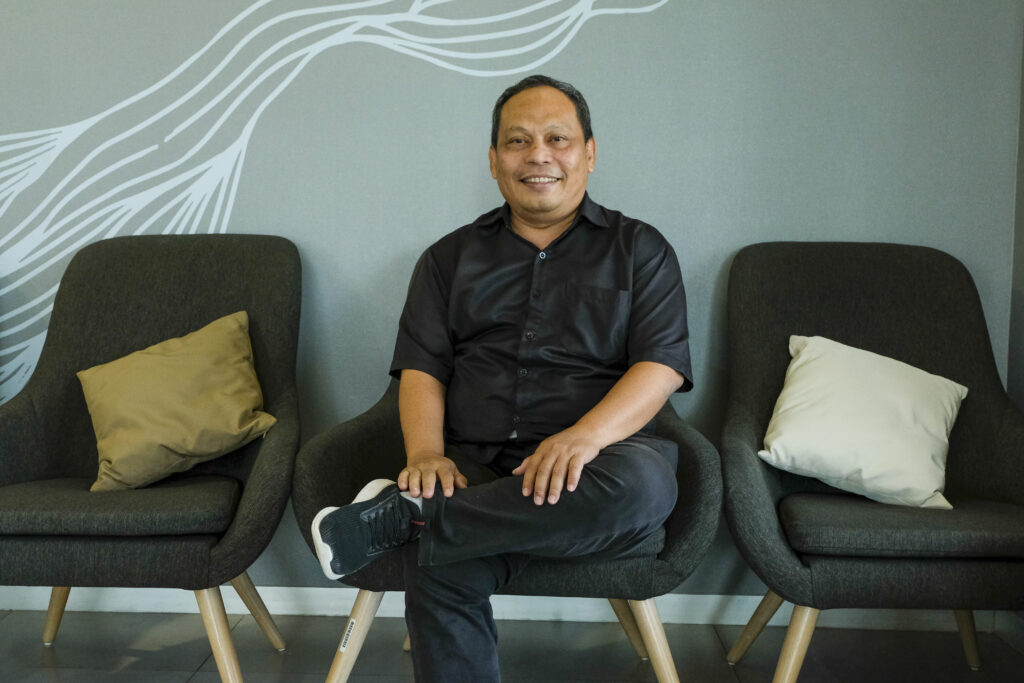
Sugiarto Arief Santoso, Advocacy Manager at Yayasan Penabulu. Photo: JEFRI TARIGAN
Consultations are critical not only to identify and manage risks to affected communities, but to involve them and ensure benefits for those who live around project sites.
Anggi thanked participants and said their insights had given the program a much clearer idea of where KINETIK can add value over the coming years.
“We hope this is only the beginning of an ongoing dialogue,” she said.