No ramp, no access, until Maryam built one
Mar 05, 2026
3 Min
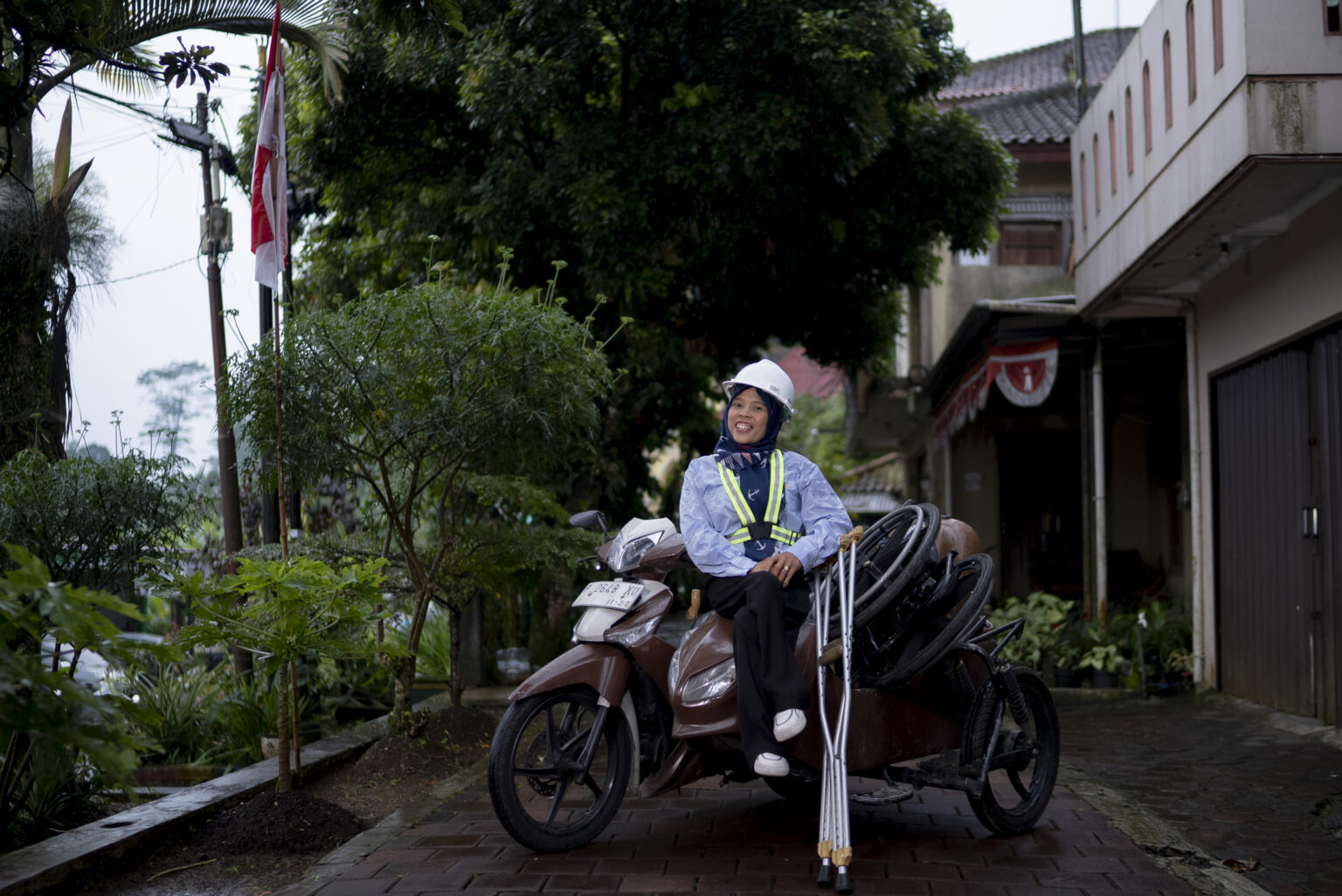
At a public service office in Wonosobo, Central Java, Maryam Ramadani, a woman who uses a wheelchair, stopped at the foot of a staircase. There was no ramp. No handrail. No option.
To enter the building, she would have to ask someone for help. A simple task for most people, but for Maryam, it is a reminder that development has not yet been designed for everyone.
Maryam is an activist and now a social entrepreneur. But before all that, she was simply a citizen who wanted to access public services without barriers.
“Out of dozens of public service buildings in our area, only a small number have disability-friendly facilities, and even those often fail to meet proper standards,” Maryam recalls.
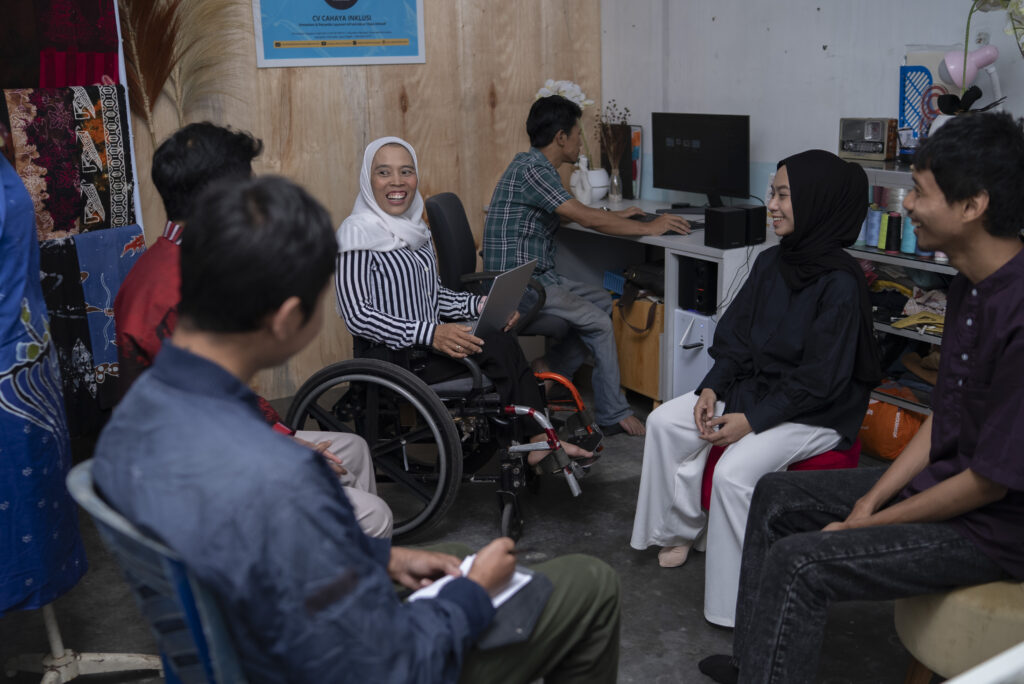
Data from Statistics Indonesia shows that nearly 23 million people, or around 8.5 percent of the population, live with disabilities. Yet many still face unequal access to education, employment, and public services. On paper, Law No. 8 of 2016 guarantees the right to accessibility. In practice, however, reality often tells a different story.
Maryam did not stop at advocacy. In 2017, she joined the Indonesian Women with Disabilities Association (HWDI), where she actively engaged in dialogues with local governments and pushed for more inclusive infrastructure development.
In September 2023, she took another step forward by establishing CV Cahaya Inklusi. She conducted assessments of forty-two public service buildings. The results were striking: eighty percent did not meet accessibility standards.
“I’ve seen firsthand how facilities are built only to fulfil administrative requirements, without considering safety or ease of use,” she says.
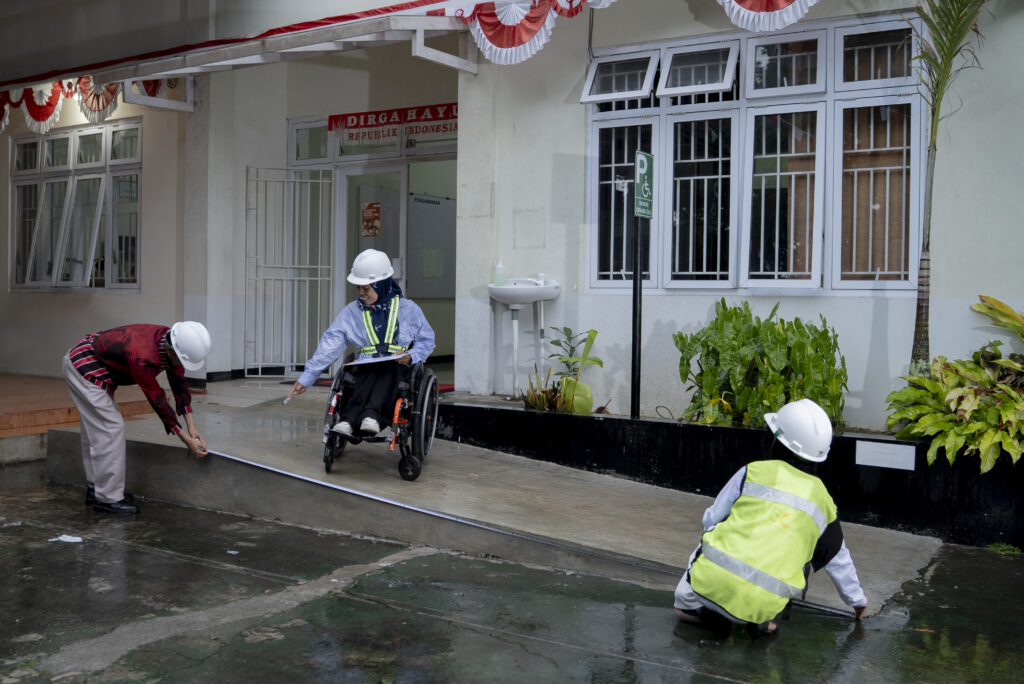
Out of these findings came an innovation: a portable ramp made from wood waste that had previously been discarded into rivers. The ramp is lightweight, easy to install, low-emission, and designed based on the lived experiences of users themselves.
Today, wood waste that once polluted local waterways has become an additional source of income for village households.
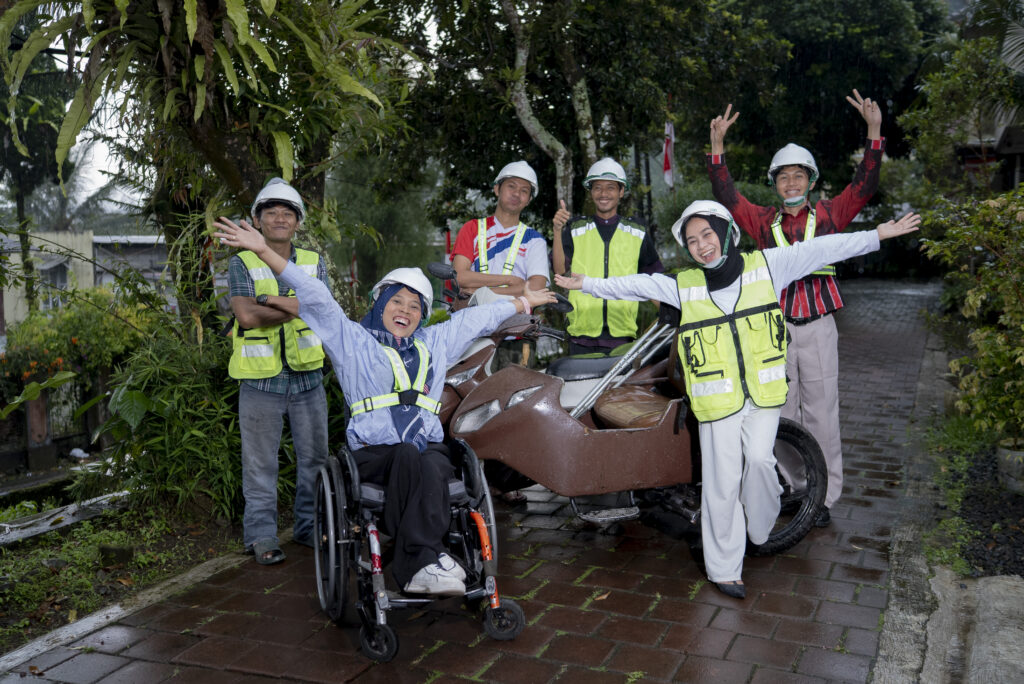
CV Cahaya Inklusi later became part of the green startup ecosystem through KINETIK NEX, a program run by New Energy Nexus and KINETIK. The initiative supports clean energy and climate-tech startups while promoting inclusive growth beyond major cities.
From Wonosobo, Maryam shows that equal access is not just an added facility. It is the foundation of a just and sustainable future.