Breaking bias: New tool targets fairer lending
Apr 21, 2026
5 Min
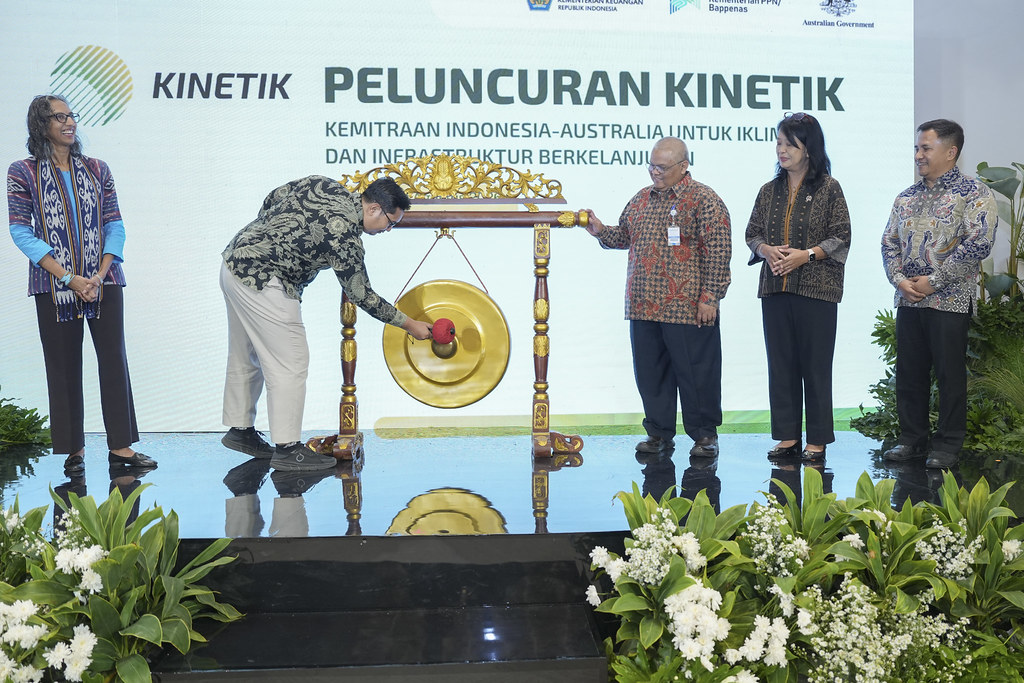
A loan application assessment tool that helps financial services increase access to finance for women, people with disabilities and green enterprises was launched in Jakarta on April 10.
The toolkit – which was developed by the Terala Foundation and MicroSave Consulting using a grant from KINETIK – is designed to make credit assessment processes fairer for underserved businesses.
Terala Foundation Executive Director Tien Mulyanthi said segments of society – particularly women, people with disabilities and green micro, small and medium-sized enterprises (MSMEs) – had for a long time been perceived as high-risk for loans.
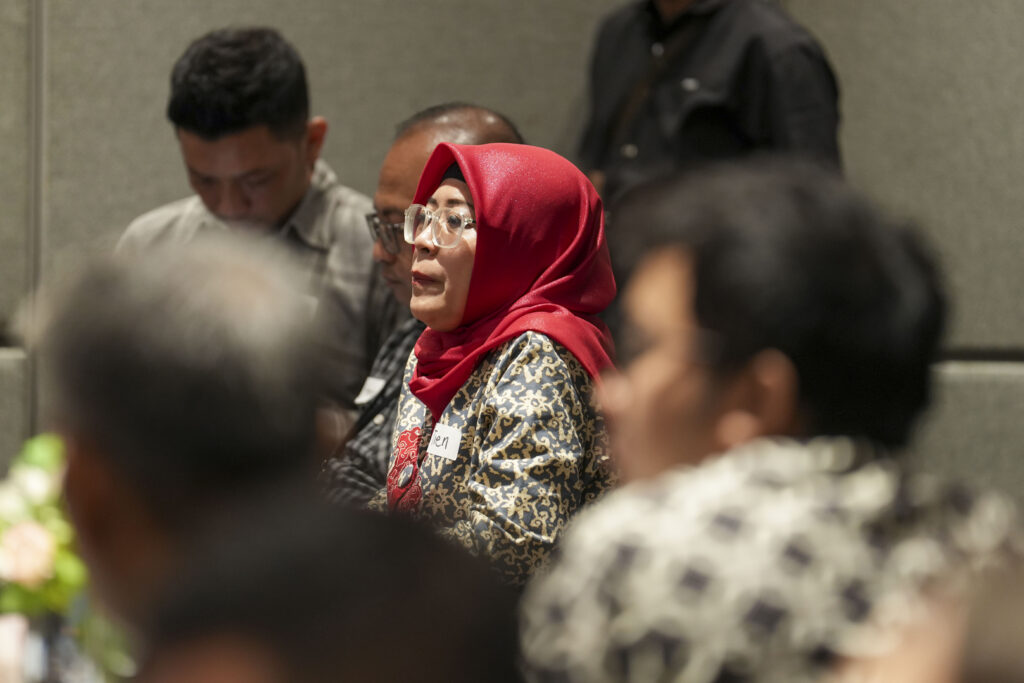
Terala Foundation Executive Director Tien Mulyanthi at the launch of FINclude Green. Photo: JEFRI TARIGAN
“Yet data and experience show the opposite – they are resilient, loyal and represent significant untapped potential that has not yet been fully translated into financial portfolios,” she said.
“The issue is not with them; the issue lies in how our systems assess them.”
Ms Tien said the loan assessment tool – which is called FINclude Green – offered a practical way to understand portfolios, build gender and disability awareness and use more tailored credit assessments.
The development of the tool underscored the importance of recognising people with disabilities as knowledge holders, and ensuring their voices informed both the design and validation process.
“But ultimately, transformation does not happen because a toolkit exists,” Ms Tien said.
She said transformation happened when financial institutions began to change how they made decisions and regulators continued to steer policy in an inclusive direction.
“In the future, institutions that truly understand the diversity of their customers will be the ones that succeed in the market,” Ms Tien said.
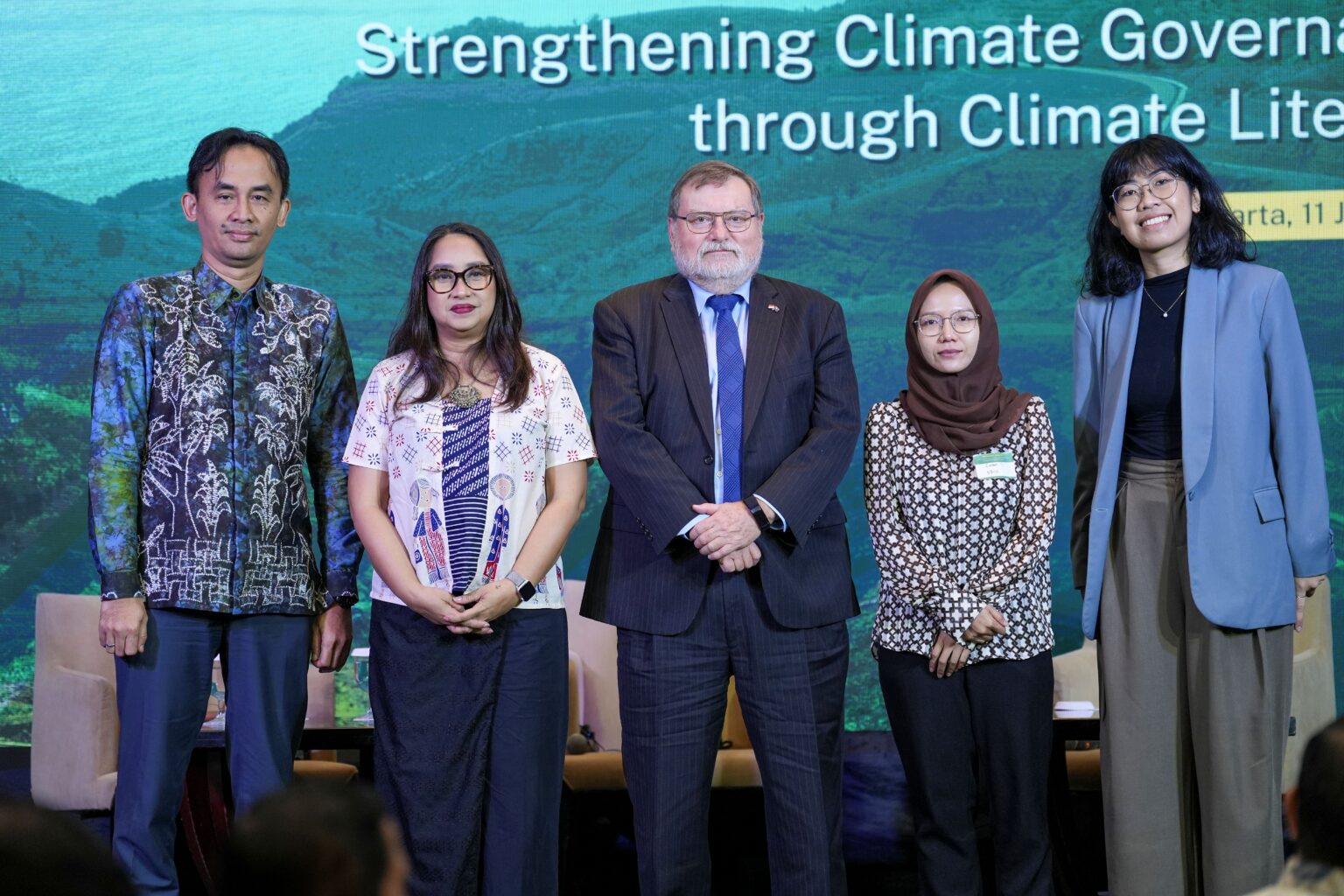
MicroSave Consulting senior manager Putu Monica Christy said there was a paradox in Indonesia where 64.5% of micro, small and medium-sized enterprises were led by women but they faced persistent barriers in accessing finance.
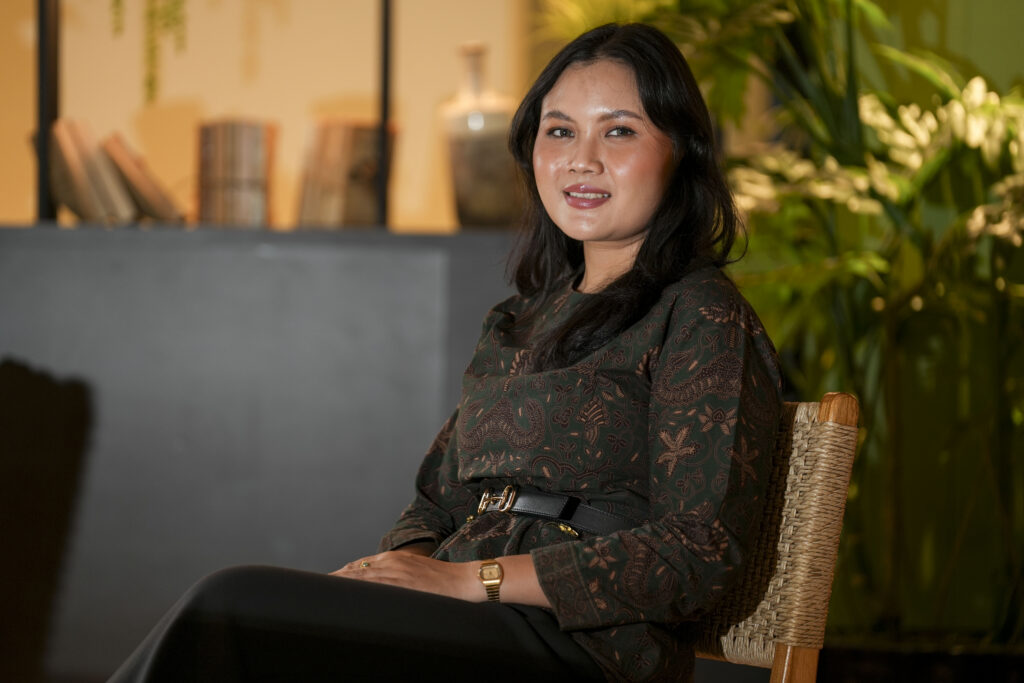
Putu Monica Christy, the Senior Manager for Gender Equality, Disability, and Social Inclusion at MicroSave Consulting Southeast Asia. Photo: JEFRI TARIGAN
These included bias in credit risk assessment, low financial and digital literacy, lack of legal documentation, exposure to predatory lending and care responsibilities.
However, despite women being perceived to be higher risk, they are often more reliable in repaying loans. Evidence from multiple developing countries showed that gender-based credit assessment models produced more profitable portfolios for financial institutions, according to the Terala Foundation and MicroSave Consulting, a global consulting firm that enables social, financial, and economic inclusion for everyone in the digital age.
Ms Monica said the toolkit made finance more inclusive by adjusting for factors such as gender and disability, the value of green business practices and the resilience of business owners when assessing loan applications.
“It doesn’t focus only on risk but also considers the reality of the business,” said Ms Monica, the Senior Manager for Gender Equality, Disability, and Social Inclusion at MicroSave Consulting Southeast Asia.
She said, for example, that when a business operated by a person with a disability, or by someone balancing care responsibilities, delivered comparable turnover to a business without such constraints, it demonstrated a high degree of resilience. That resilience should give financial services confidence to lend.
The five-step toolkit also includes training financial services’ staff to reduce unconscious bias and improving data collection to identify gaps and underserved opportunities.
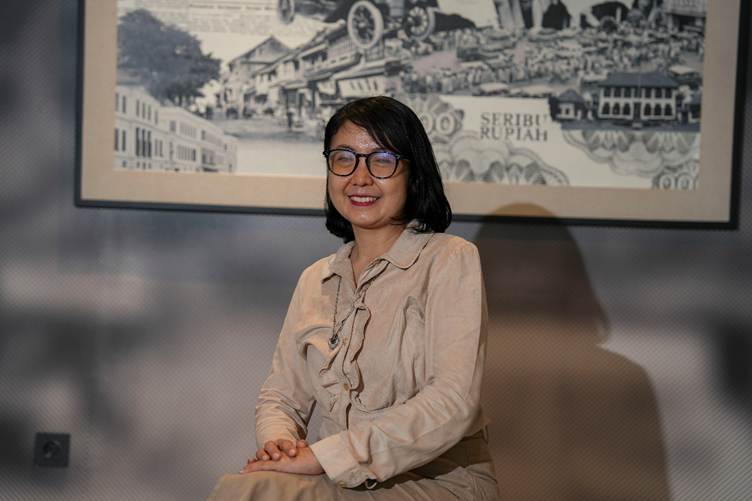
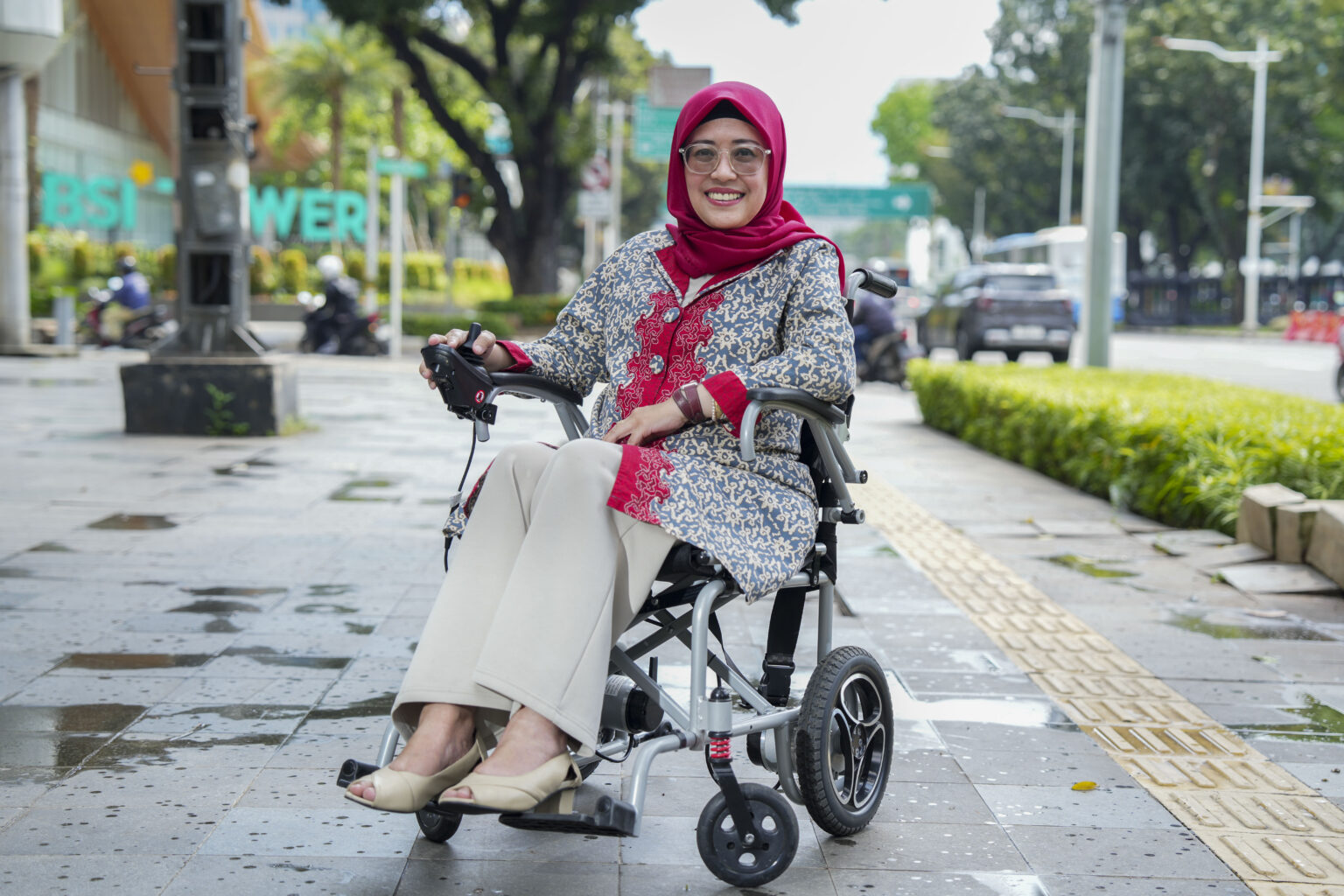
Dewi Winarto Roro helped test the FINclude Green tool. Photo: JEFRI TARIGAN
Dewi Winarti Roro, the founder of natural skincare company Dewijaya Care, helped test the FINClude Green tool.
Ms Dewi, who is visually impaired, said financial services needed to be more inclusive.
“People with a disability using a cane might be given a flyer, which they can’t see,” she said at the launch of FINClude Green.
She said people with disabilities seeking a loan might be asked about their savings or whether they owned a car.
“This is creating fear for people with disabilities who are trying to get a loan because they don’t own these sorts of things,” Ms Dewi said.
She said financial services needed to ensure people with disabilities received sufficient information about financial products and were asked relevant questions when assessing their suitability for a loan.
“There are seven million people with disabilities in Indonesia who don’t work but are a productive age,” Ms Dewi said.
She said making finance more inclusive for these people also reduced the social services burden on the state.
“Our businesses don’t just help ourselves but help our state to be stronger economically.”
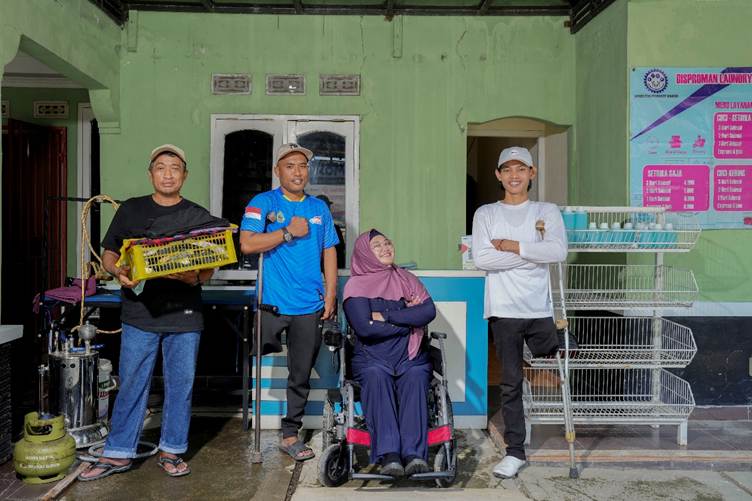
Rani Mei Lestari and her employees at Disproman Laundry in Bekasi. Photo: JEFRI TARIGAN
Rani Mei Lestari, the founder of Disproman Laundry, which employs people with disabilities, said she looked forward to learning more about how FINclude Green could benefit businesses like hers.
Ms Rani, who uses a wheelchair, said she wanted to expand her laundry business to more locations in Bekasi in West Java.
“How can we grow when we really fight to get financing?” she said.
“We are persistent, we are not lazy, we are not irresponsible. With all the limitations we face, we keep going.”