Meet the groups expanding access to climate finance
May 08, 2026
7 Min
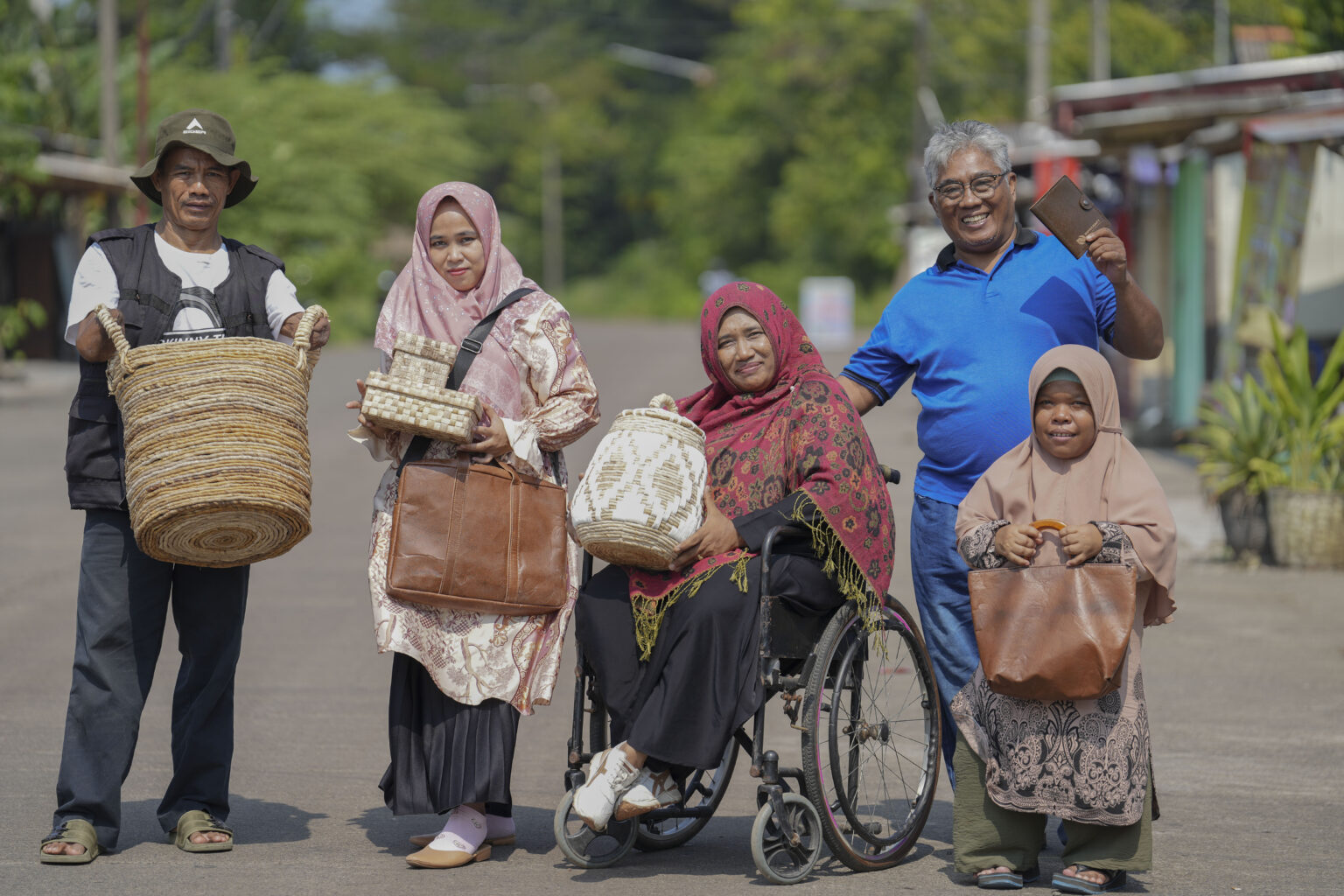
Six civil society organisations received grant funding from KINETIK to address the barriers faced by women, people with disabilities and people from remote communities in accessing climate finance.
Most climate finance is only available to a small, privileged group and women and people with disabilities often struggle to get funding to grow their business.
As part of its role in promoting a just energy transition, KINETIK provided grants to the civil organisations to make climate finance more inclusive.
The grantees developed practical tools and frameworks – such as inclusive loan assessment guides, investment readiness toolkits, and Gender Equality Disability and Social Inclusion checklists – to help financial institutions assess borrowers more fairly and transparently.
They also provided training and mentoring for entrepreneurs, local facilitators and financial services staff to strengthen financial literacy, reduce unconscious bias, improve business readiness and support more inclusive lending practices.
Several projects used participatory and community-based approaches, including workshops, focus group discussions, stakeholder mapping, and co-creation processes that brought together lenders, entrepreneurs, women and people with disabilities to design solutions grounded in real experiences.
Learn more about the grantees’ projects here:
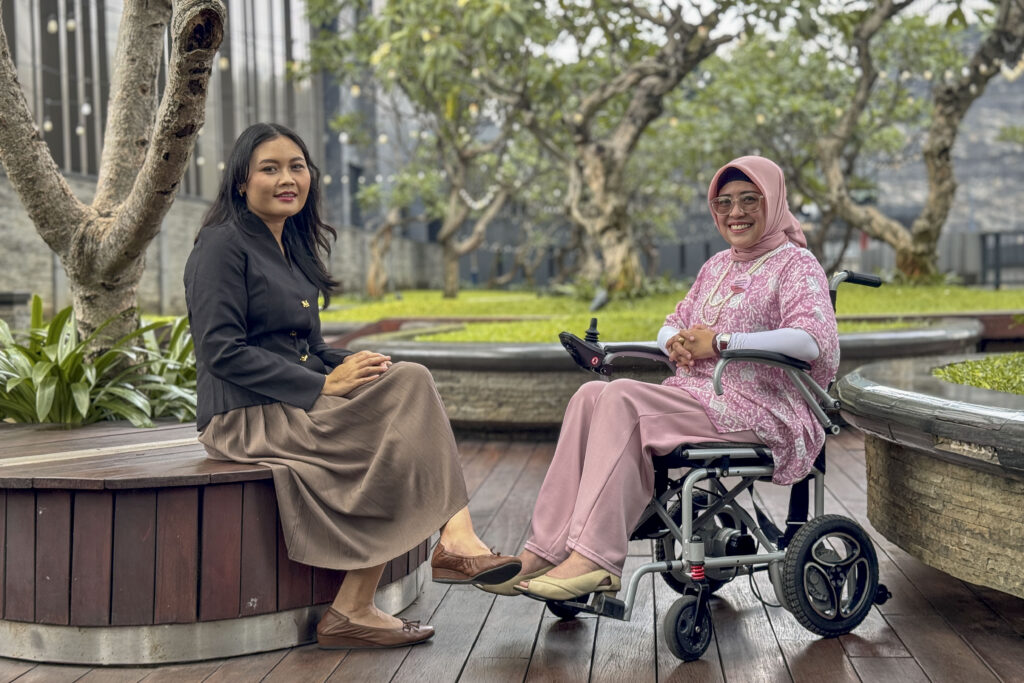
Terala Foundation and MicroSave Consulting: FINClude Green
FINclude Green is a loan application assessment tool designed to help women, people with disabilities, and green businesses in Indonesia gain easier access to financing.
The tool was developed by Terala Foundation and MicroSave Consulting to address barriers they often face, including bias in credit risk assessments, low levels of financial and digital literacy, and limited legal documentation.
At the core of the project is a five-step preliminary loan assessment guide that helps financial institutions take a more comprehensive approach, rather than relying solely on conventional perceptions of risk.
The guide incorporates factors such as gender, disability inclusion, environmentally sustainable practices, and business resilience into the credit assessment process.
This enables financial institutions to better identify borrowers who are genuinely creditworthy but have previously been excluded from formal financing.
The approach creates greater financing opportunities for micro, small, and medium enterprises (MSMEs), which are often overlooked despite having strong repayment potential. The project also provides training for financial services staff to help reduce unconscious bias.
By shifting the focus from perceived risk to actual performance, FINclude Green helps lenders recognise untapped market opportunities that have long been underserved.
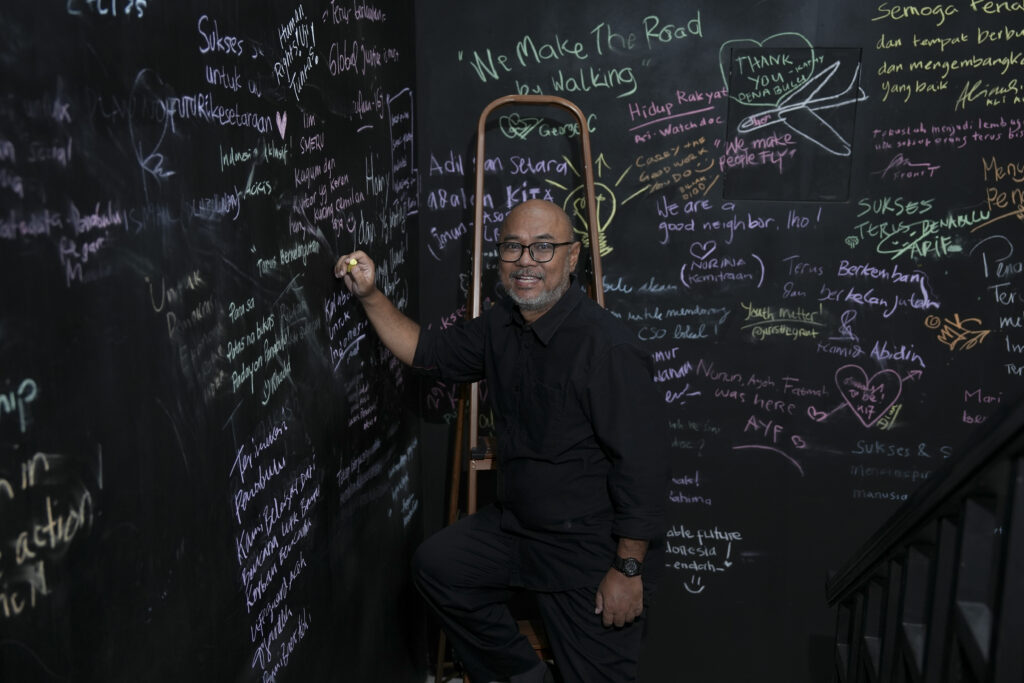
Penabulu Foundation: Strengthening BPDLH Funding Mechanisms
This program, implemented by Penabulu Foundation, supports Indonesia’s Environmental Fund Management Agency (BPDLH) in making climate finance more inclusive and accessible for women and people with disabilities.
The project works with intermediary organisations, known as Lemtara, which distribute environmental funding from BPDLH to communities and businesses across Indonesia.
These organisations include civil society groups, national and local government units, and social enterprises working in sectors such as biodiversity conservation, green finance, and mangrove restoration for coastal resilience.
Through new training programs and learning modules, the initiative strengthens how Lemtara implement BPDLH’s Environmental and Social Management System (ESMS) and safeguard principles.
This helps ensure that gender equality, disability inclusion, and social inclusion (GEDSI) within BPDLH’s safeguards are reflected not only in policy, but also in the design, assessment and delivery of funding in practice.
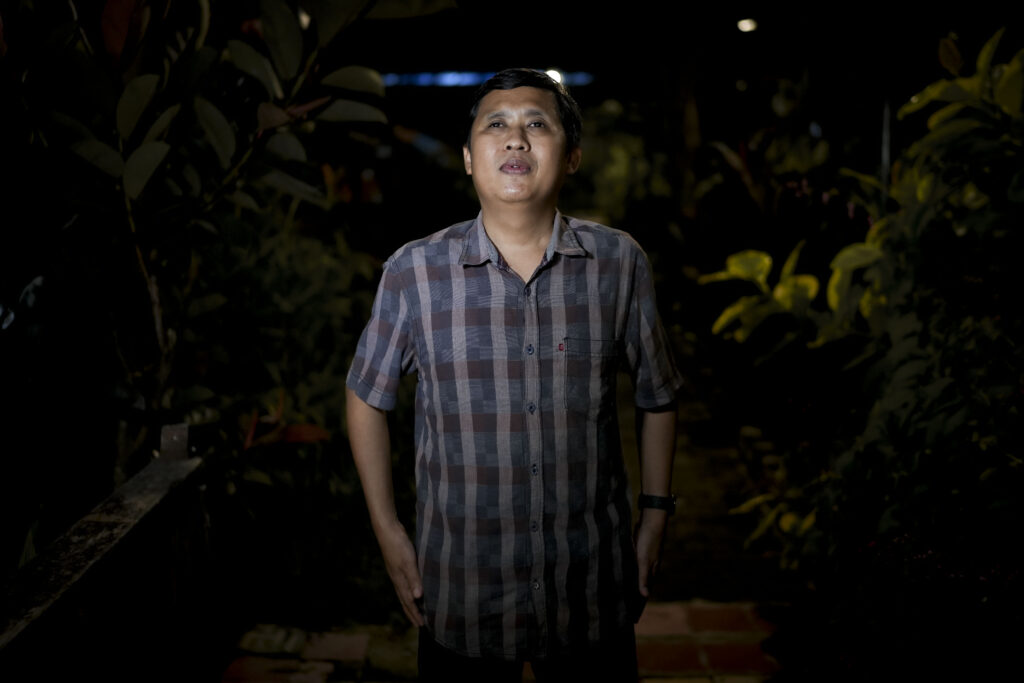
SIGAB – SAHABAT BUMI: Mapping Disability Inclusion in Climate Finance
SAHABAT BUMI is a five-month research project aimed at identifying how people with disabilities can gain better access to information and support related to climate finance.
The project is led by SIGAB, an Organisation of Persons with Disabilities (OPD) whose core mission is advocating for the rights of people with disabilities.
Through this initiative, SIGAB examines the extent of participation of people with disabilities in climate finance and green economy initiatives, while also identifying the factors that enable or hinder their involvement.
Through surveys, focus group discussions, and stakeholder mapping across multiple provinces, SIGAB assesses barriers at the individual, community, and policy levels.
Early findings show that while many people with disabilities are aware of climate change issues, this understanding is still often limited to disaster-related contexts. The connection between climate action and economic opportunities in the green sector remains less widely understood.
The project also highlights gaps in knowledge, accessibility, and financial inclusion. In many cases, people with disabilities are still not considered “financially viable”, which ultimately limits their access to financing opportunities.
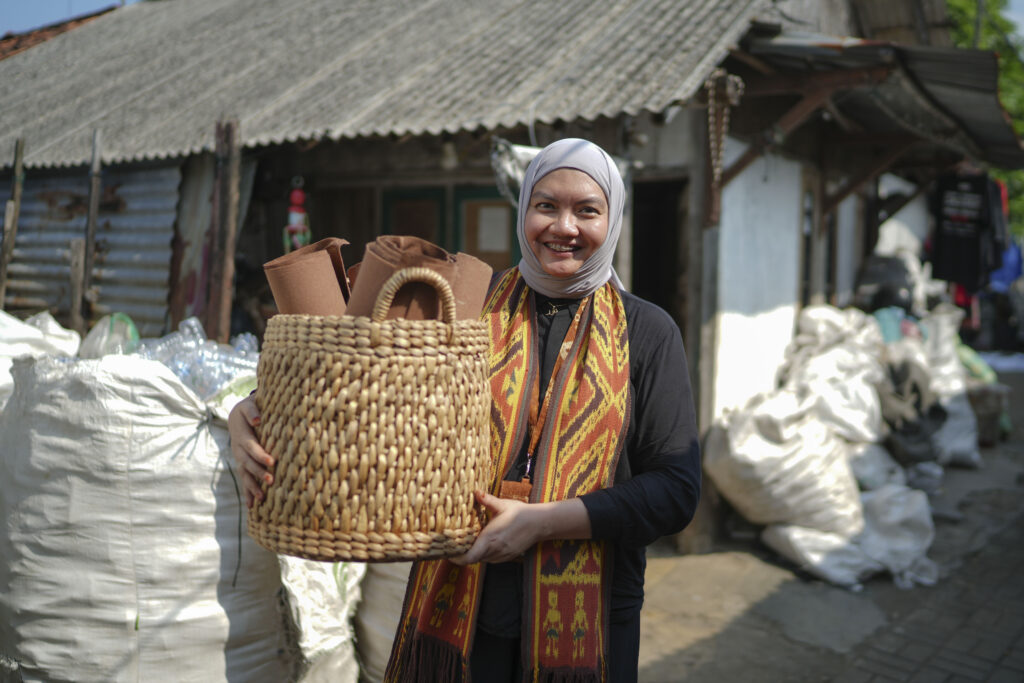
WasteHub Alam Lestari: LESTARI
LESTARI (Leveraging Sustainable Access for Resilient Inclusion) is a program that provides training and mentoring for businesses led by women and people with disabilities.
The program is implemented by a consortium led by WasteHub, a social enterprise focused on waste management and the circular economy, together with Difalink, Jepara Green Generation, and Flores Bumi Lestari.
The LESTARI program began with research to better understand the barriers entrepreneurs face in accessing climate finance. These challenges include weak legal status, the use of personal bank accounts for business purposes, limited financial record-keeping, and a lack of certification.
The program then delivered online training to 30 entrepreneurs. Topics included environmental, social, and governance (ESG) standards, business development, green finance, and pitching techniques. From this group, 15 women entrepreneurs or entrepreneurs with disabilities were selected to receive more intensive and personalised mentoring.
The program concluded with a Demo Day, where the research findings were presented. The 15 entrepreneurs also pitched their products and services to investors, financial institutions, companies, and non-government organisations.
The event also served as a cross-sector dialogue platform, allowing entrepreneurs to engage directly with investors, financial institutions, and strategic partners to explore real financing and funding opportunities.

Saraswati and CBM Global Inclusion Advisory Group: Inclusive Climate Finance
Saraswati and the Inclusion Advisory Group (IAG) of CBM Global developed a practical toolkit to support more inclusive climate finance for small and medium enterprises in Indonesia, particularly those led by women and people with disabilities.
A key strength of the toolkit lies in its participatory, co-creation, and bottom-up approach.
Saraswati actively brought together financial institutions and business owners through a series of workshops, enabling both groups to directly share perspectives and experiences.
This approach created a shared understanding of the barriers women and people with disabilities face in accessing climate finance, while also ensuring that the solutions developed were relevant and practical.
The project produced two complementary toolkits: one for financial institutions and one for entrepreneurs. For financial institutions, the project developed a gender- and disability-inclusive climate finance checklist to support more transparent and flexible loan assessment processes.
For entrepreneurs, the project created an investment readiness framework, including guidance on presenting business performance, risks, and mitigation strategies. The framework helps clarify the credit application process while improving entrepreneurs’ ability to access financing.
The initiative engaged small and medium enterprises in Jakarta, Bali, and East Nusa Tenggara, selected to represent the diverse climate risks and financing contexts across Indonesia.
This approach further strengthened the relevance of the toolkits for both entrepreneurs and financial institutions, as they were developed based on real experiences and challenges from the field.
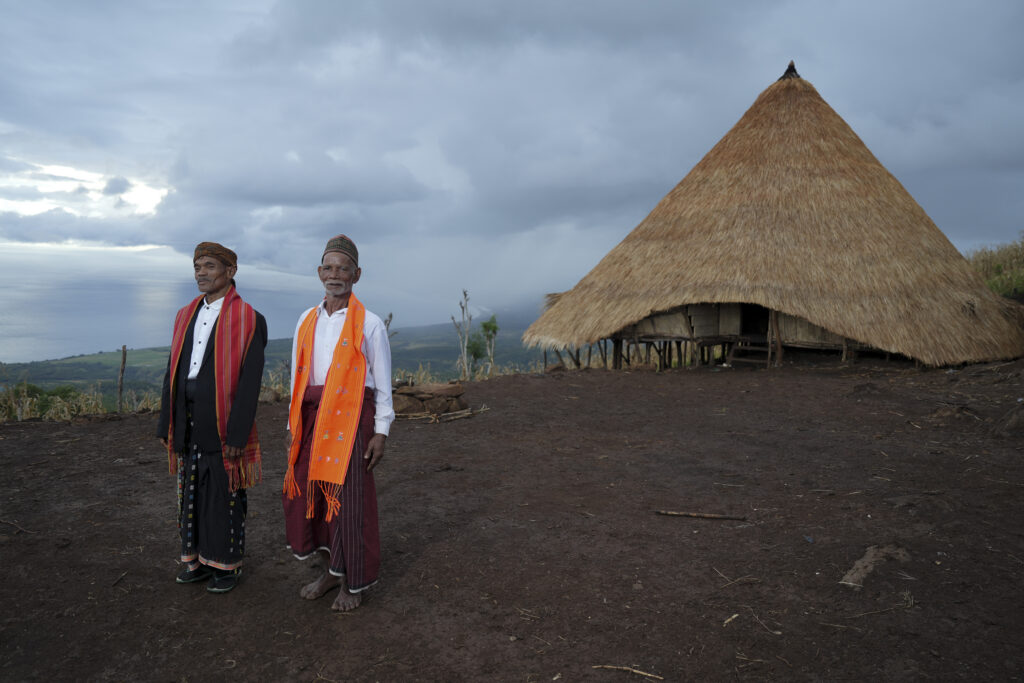
Arbeiter-Samariter-Bund South and South-East Asia: HARMONI
The HARMONI (Hope for Inclusive Climate Action Mobilization) program supports villages in West Manggarai, East Nusa Tenggara, to build a more inclusive green economy.
Implemented by Arbeiter-Samariter-Bund South and South-East Asia (ASB S-SEA), the program focuses on ensuring that women, people with disabilities, and low-income households are not only able to participate in, but also benefit from, climate-based business opportunities.
One of HARMONI’s key priorities is expanding access to climate finance at the village level.
To date, many funding sources — including village funds, government programs, and cooperatives — have remained difficult for marginalised groups to access.
To address this challenge, HARMONI trains local facilitators to promote fairer and more inclusive entrepreneurship practices, with a strong focus on gender equality, disability inclusion, and equal opportunities at the village level.
Program participants have also been involved in developing and testing a gender equality, disability, and social inclusion (GEDSI) toolkit specifically designed for green businesses in the coastal villages of Repi and Warloka.
The toolkit can then be used by village business groups, village officials, and marginalised communities, including people with disabilities, women-headed households, and low-income families.