
Study reveals barriers and opportunities for climate businesses in Eastern Indonesia
May 25, 2026
4 Min

Research has found entrepreneurs across Eastern Indonesia are developing promising local solutions to tackle climate change, but warns businesses still face major obstacles to growth including access to finance.
New Energy Nexus Indonesia, which provides business incubation to climate and clean energy startups as part of the KINETIK NEX Entrepreneurs’ Program, delivered the key findings at an event in Kupang on May 12.
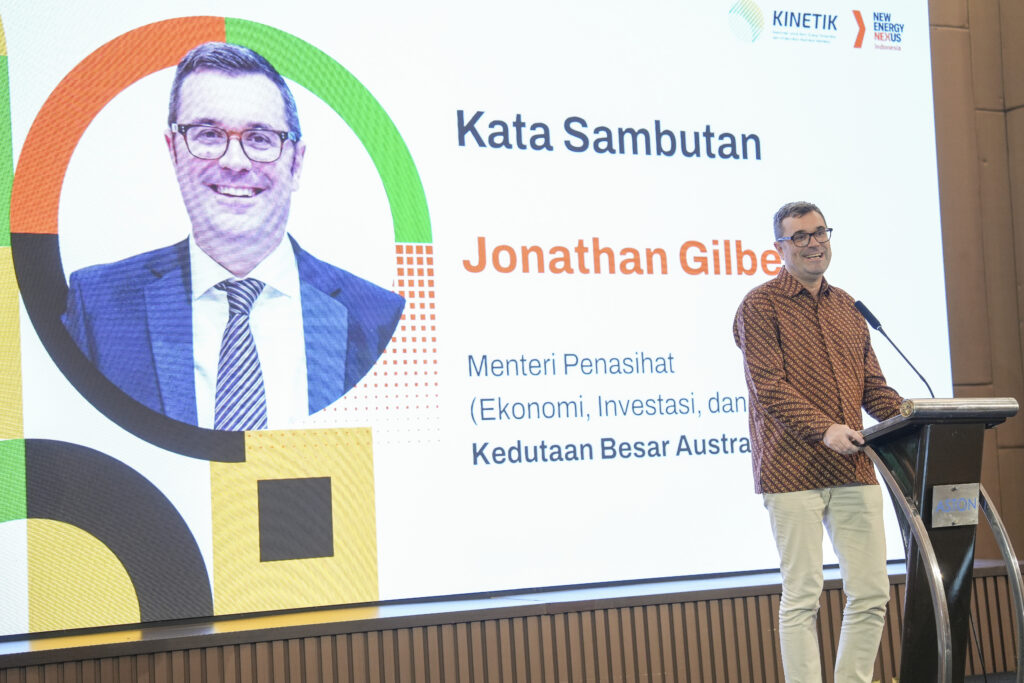
Minister-Counsellor Jonathan Gilbert, the head of Economic, Investment and Infrastructure at the Australian Embassy. Photo: JEFRI TARIGAN
Minister-Counsellor Jonathan Gilbert, the head of Economic, Investment and Infrastructure at the Australian Embassy, said the event marked an important milestone.
“Based on workshops and consultations in Ambon, Kupang and Makassar, this study brings together perspectives from government, finance, academia and the private sector,” he said.
“It identifies existing gaps as well as the key priorities needed to accelerate climate innovation in Eastern Indonesia.
The study, Climate Entrepreneurship Ecosystem Mapping in Eastern Indonesia, found climate change is already affecting local economies and there was increasing demand for practical solutions in areas including clean energy, fisheries, waste management and water.
Across the region, entrepreneurs are developing local climate solutions, including solar-powered water systems in East Nusa Tenggara, circular waste projects in Makassar, and solar-powered ice makers for fisheries in Maluku.
These innovations are helping regions to achieve their climate adaptation and mitigation goals.
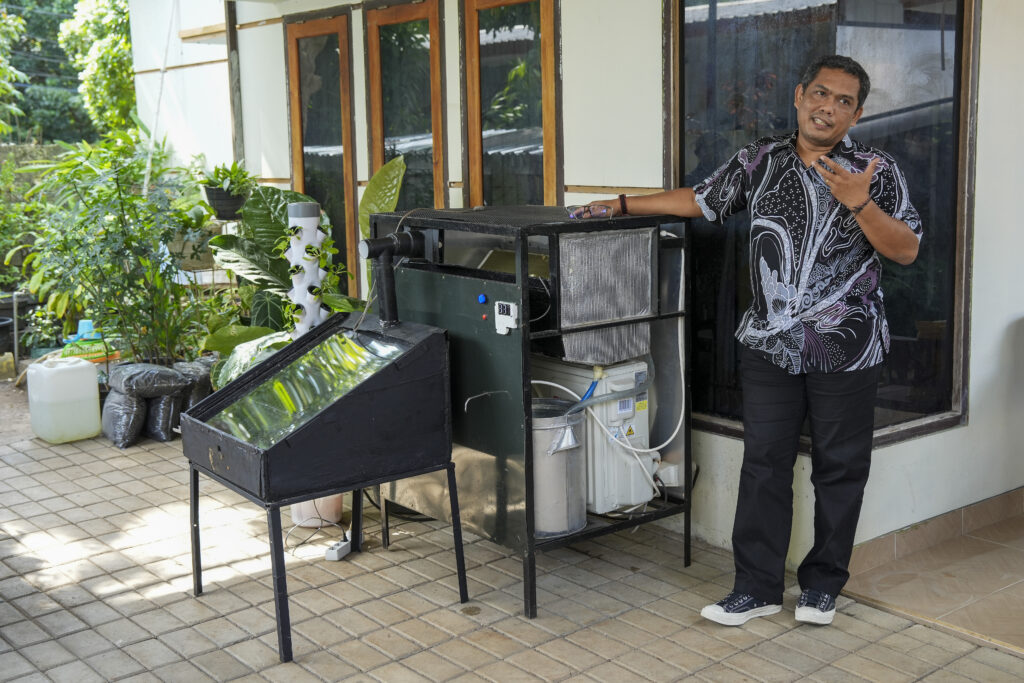
Ben Tarigan, fron KuanTech, with a machine that extracts drinking water from the humidity in the air. Photo: JEFRI TARIGAN
But despite this progress, climate businesses still face major challenges to growth.
Access to finance remains one of the biggest barriers, particularly for businesses moving from pilot projects to early commercial operations.
With limited venture capital available outside of commercial centres in Java, traditional business loans are the main financial option available and climate businesses can face barriers accessing them.
The research found that existing business support programs are largely designed for general small businesses and may not meet the specific needs of climate-focused ventures.
Dr Jusuf Lery Rupidara, Expert Staff to the Governor of East Nusa Tenggara Province for Economic Affairs and Development, said East Nusa Tenggara possessed enormous renewable energy potential from solar and wind to geothermal.
“However the potential will not deliver maximum benefit unless we are able to manage and develop it properly,” he said.
“This is where initiatives like KINETIK NEX play an important role as a bridge.”
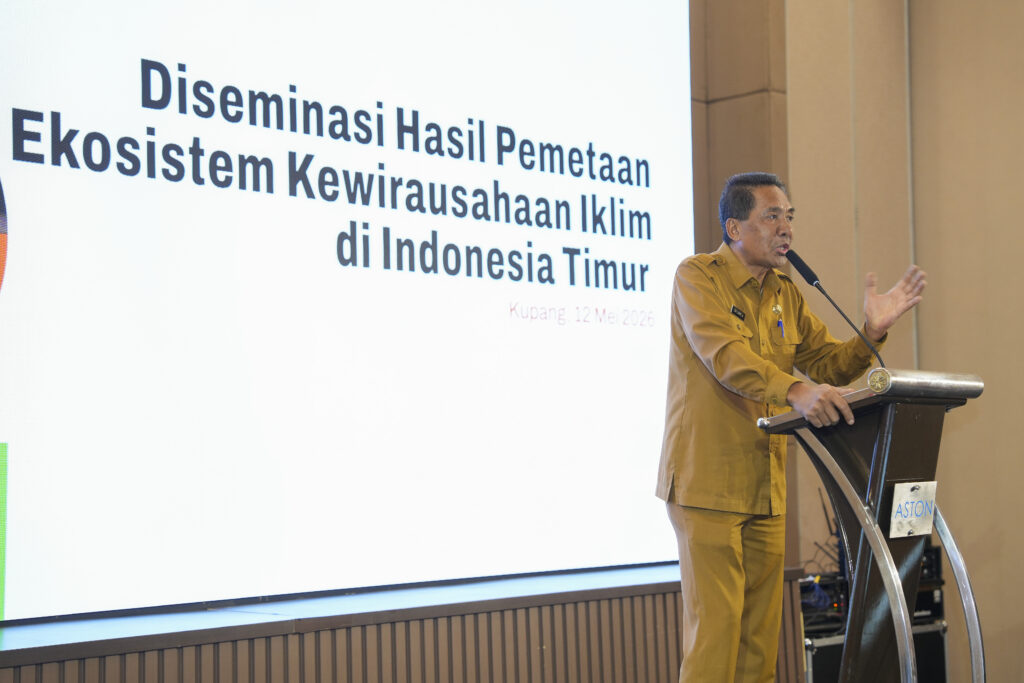
Dr Jusuf Lery Rupidara, Expert Staff to the Governor of East Nusa Tenggara Province for Economic Affairs and Development. Photo: JEFRI TARIGAN
Dr Jusuf said caring for the earth was not only about issuing top-down government instructions or issuing regulations.
“It is also about practical, realistic approaches where, when pursuing business opportunities, we simultaneously fulfil our responsibility to protect the planet. This includes solar energy, renewable energy, electric motorbikes and cars, briquettes and many other inventions.”
To help climate entrepreneurship grow across Eastern Indonesia, the Climate Entrepreneurship Ecosystem Mapping in Eastern Indonesia report recommends:
Wesly Febriyanta Sinulingga, Senior Policy Analyst from the Directorate General for Financial Sector Stability and Development at the Ministry of Finance, said at the event that climate entrepreneurship was no longer a niche segment, it was the future of the economy.
“However we must also honestly acknowledge the challenges still faced by entrepreneurs: limited access to financing, small business scale, limited managerial and technical capacity, difficulties meeting banking requirements and restricted access to markets and technology,” Mr Wesly said.
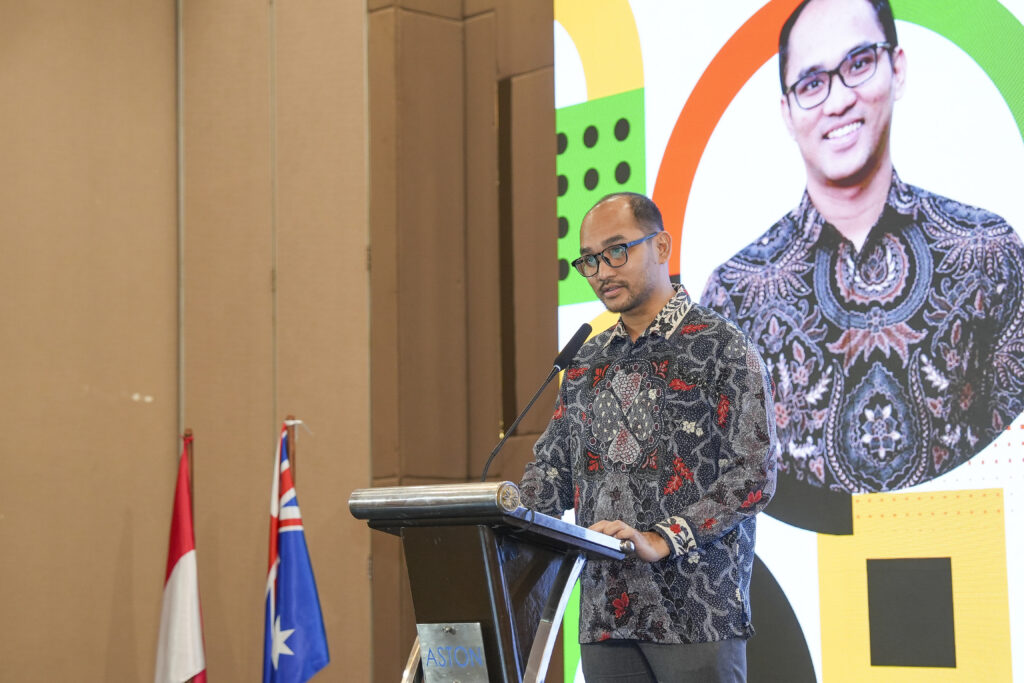
Wesly Febriyanta Sinulingga, Senior Policy Analyst from the Directorate General for Financial Sector Stability and Development at the Ministry of Finance. Photo: JEFRI TARIGAN
He said the Ministry of Finance would continue supporting the strengthening of the sustainable finance ecosystem through policy development, financing instruments and multi-stakeholder cooperation.
However he said climate challenges cannot be solved by government alone.
“They require collective action and collaboration from all stakeholders.”
Mr Wesly said the private sector had an important role as an engine of innovation, financial institutions had a role in expanding access to finance and universities played a role in capacity building and research.
“Development partners such as KINETIK play a role in mobilising technical assistance and catalytic funding,” Mr Wesly said. “And government must act as an enabler by creating conducive policy environments.”