Why inclusive finance is essential for climate crisis
Apr 23, 2026
5 Min
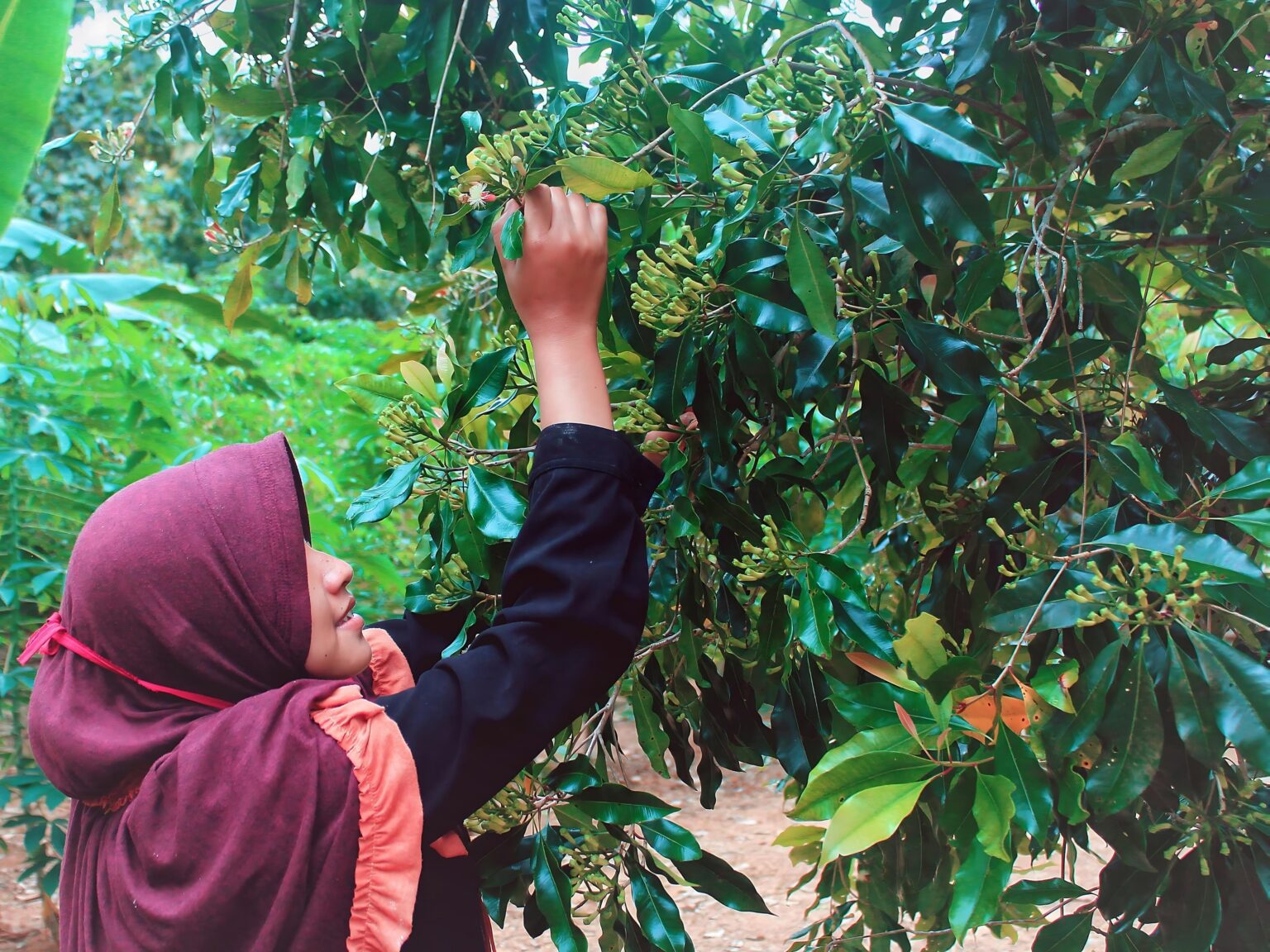
The workload and risks faced by women increase significantly during a climate crisis because they often assume the primary role in household tasks, such as accessing water, food and energy, according to a workshop held by Yayasan Penabulu.
Meanwhile, people with disabilities face barriers in mobility, access to information, and emergency response services during an environmental disaster, while indigenous people are vulnerable to climate change because it directly impacts their livelihoods.
Yayasan Penabulu – a civil society organisation that focuses on sustainable development and community empowerment – received a grant from KINETIK to make climate finance in Indonesia more inclusive.
The project works with intermediary organisations, known as Lemtara, which distribute environmental funding from the Environmental Fund Management Agency (BPDLH) to communities and enterprises across Indonesia.
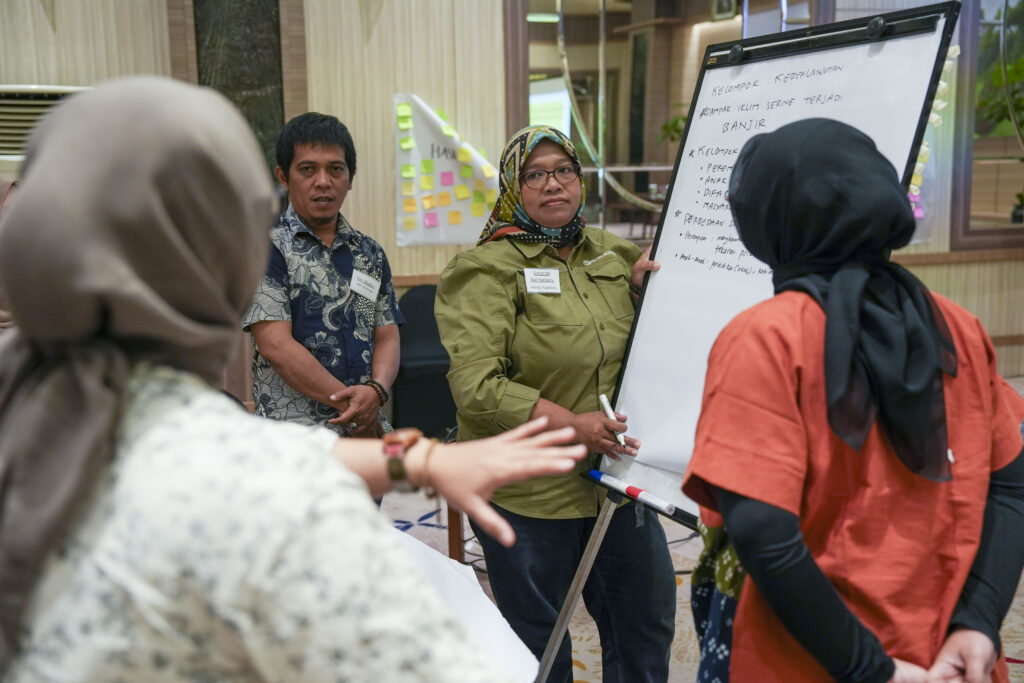
Through training and new learning modules, the initiative strengthens how these intermediaries apply The Environment Fund Management Agency’s existing Environmental and Social Management System (ESMS) and safeguard principles.
This ensures that gender equality, disability, and social inclusion (GEDSI) are embedded not just in policy, but in how funds are designed, assessed, and delivered in practice.
The workshop, held in Jakarta from April 7–9, brought together Lemtara partners from across the Environment Fund Management Agency’s funding ecosystem.
These included civil society organisations, local governments, and social enterprises working in sectors such as biodiversity conservation and sustainable agriculture.
As implementing partners for The Environment Fund Management Agency, their role is critical in translating national climate finance policies into inclusive, on-the-ground outcomes.
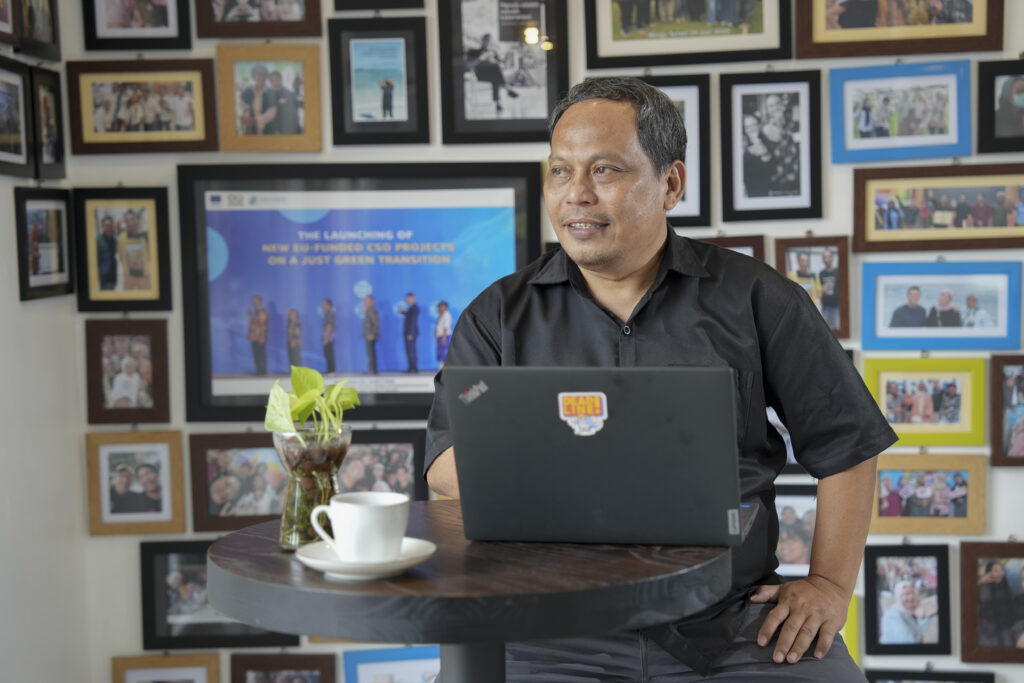
Stories shared at the workshop by participants from across Indonesia revealed just how closely climate challenges are tied to everyday life.
“The ones who suffer the most are those whose lives rely heavily on nature – farmers, fishers, and coastal women who must walk farther just to fetch water during long droughts,” one participant said.
A shrimp farmer from East Kalimantan spoke about losing his land after a rehabilitation project ignored the needs of local communities.
Sugiarto Arief Santoso, Advocacy Manager at Yayasan Penabulu, told the workshop that people with disabilities were being left behind when it came to accessing climate finance.
He said information about climate finance typically didn’t reach them, the programs do not reflect their needs, and infrastructure often excludes them.
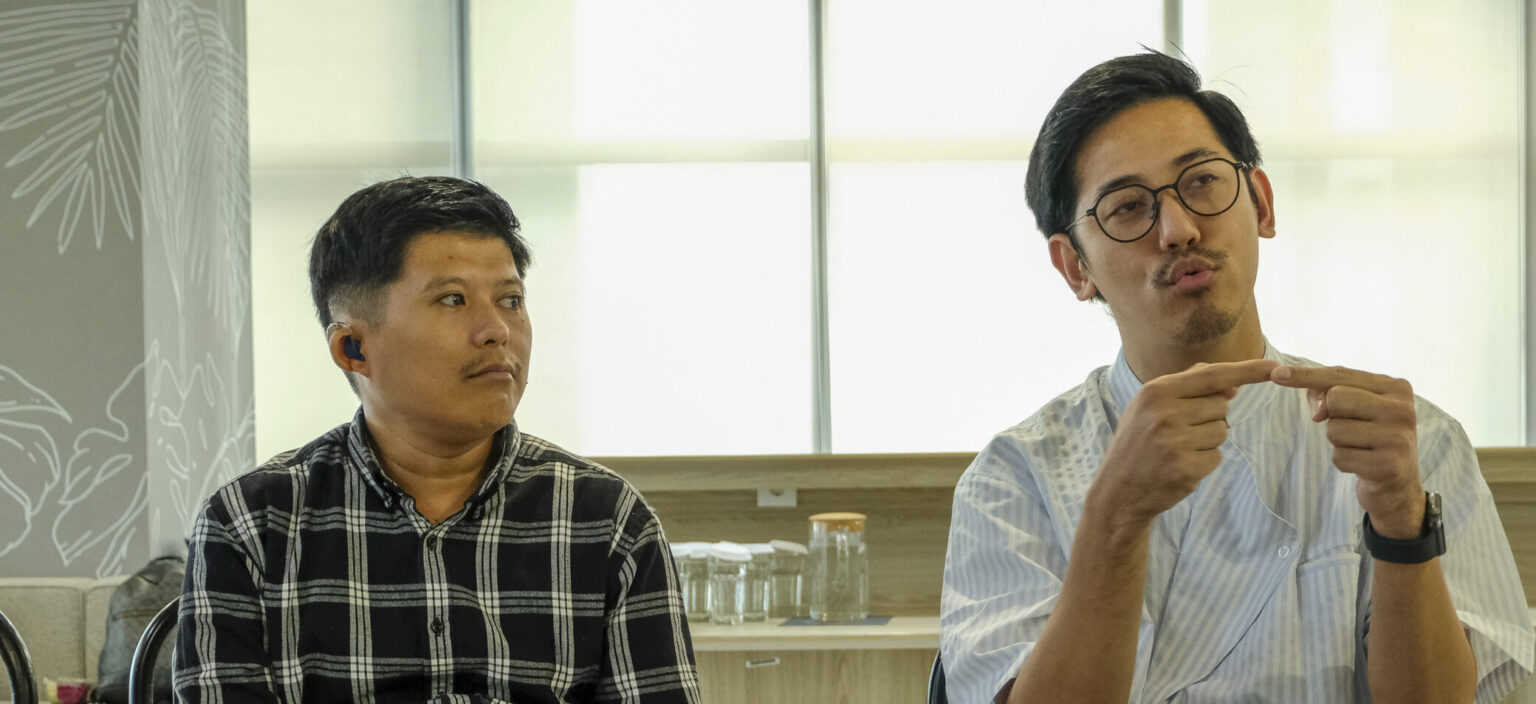
Budi Susilo, Acting Director of Yayasan Penabulu, has seen this gap for years.
“Dependence, lack of access to information, and discrimination have created conditions where people with disabilities are often left out of climate initiatives,” he said.
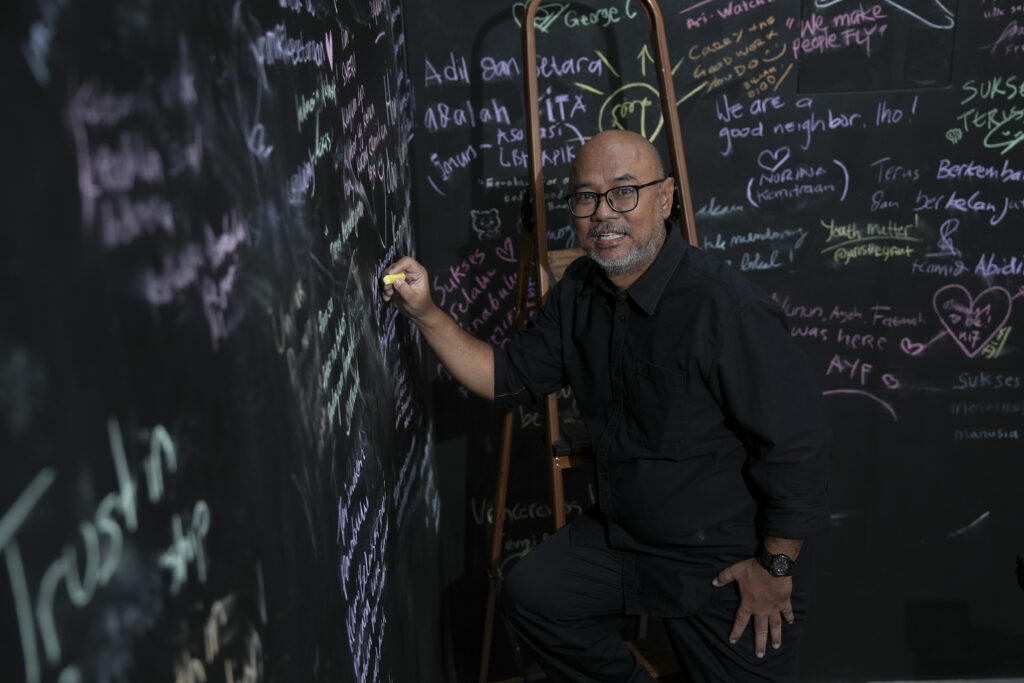
Budi Susilo, Acting Director of Yayasan Penabulu. Photo: JEFRI TARIGAN
A revealing moment came during an individual reflection exercise, where participants were asked to rate their organisations’ gender equality, disability, and social inclusion on a scale from one to ten.
A representative from Relung Indonesia (Indonesia Resilient Environment Foundation) in Yogyakarta said: “We gave our organisation a six. Our SOPs (Standard Operating Procedures) are in place, but disability inclusion is still weak. Our building isn’t accessible, and our team still needs to learn how to adapt.”
A government office noted their lactation room disappeared after renovation.
Another participant said that in some farmer groups, “women’s participation is considered complete just because their names appear on the attendance list”.
“Building knowledge is the most important outcome of this workshop; only when we understand can we act more fairly and equally. That’s what GEDSI is really about,” said Dr Joko Tri Haryanto, the President Director of the Environmental Fund Management Agency.
“Climate finance is not just about figures or funding; it is about people and social justice,” he said.
“GEDSI is not just a concept, it is something that must be lived, practiced, and reflected in real decisions”.
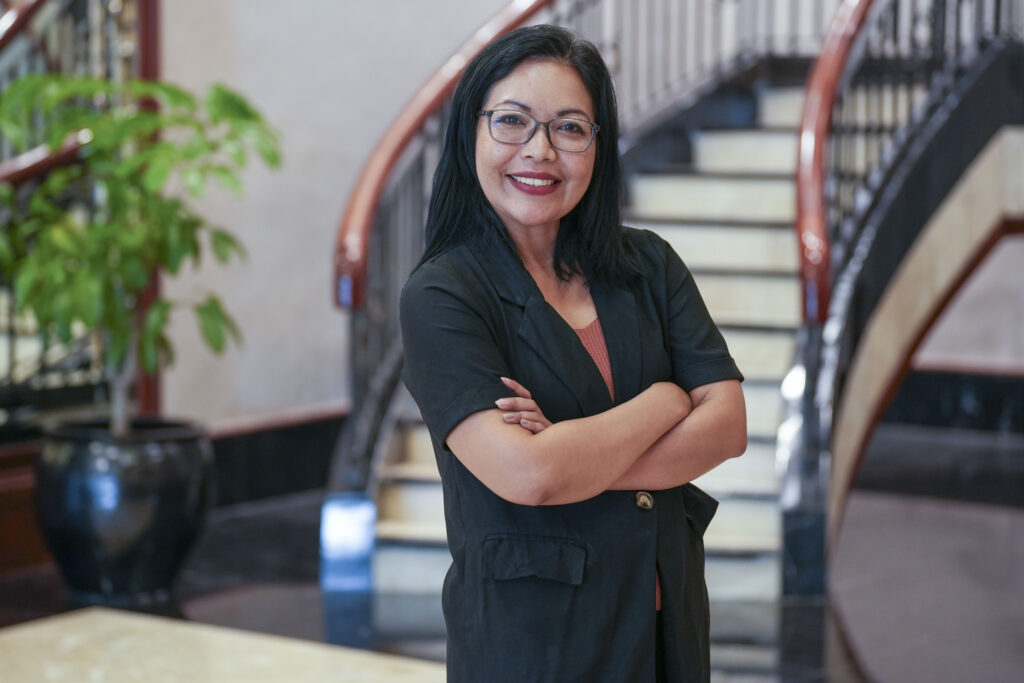
Ana Urbina, founder of PT Sinar Hijau Ventures, a social enterprise from Piru, West Seram in Maluku, told the workshop about what can happen when finance is inclusive.
As a woman entrepreneur in Eastern Indonesia, Ana faced numerous challenges, including limited infrastructure, restricted access to funding, and persistent gender bias in investment.
“Many investors still hesitate when the founders are women,” she said. “But we kept going. Now, seven to eight women farmers work alongside us. They’ve learned how to sort and process spices, and they earn a weekly income.”
Her enterprise, which received a grant from the Environmental Fund Management Agency, is now establishing a technology hub built on circular economy principles, turning spice waste into valuable materials.
“Farmers no longer throw away nutmeg shells; they sell them. That waste has become a new source of income,” Ana explained.
At the close of the workshop, one participant left a note on the reflection wall that read:
“I will go home and make sure women in our village are not just the 30% on beneficiary lists; they must also have a seat in decision-making.”