Unleashing Opportunities in Indonesia’s Green Economy
Jan 13, 2026
4 Min
More inclusive climate finance – including sharia-compliant financial products – would help unlock opportunities in Indonesia’s green economy, according to a new report on entrepreneurship in the largest economy in south-east Asia.
The report – The State of Indonesia’s Entrepreneurial Ecosystem: Focus on the Green Economy – also recommends more support for green startups outside Java and Bali, expanding the definition of climate businesses and more partnerships with universities.
The report, which was written by Sweef Capital as part of the KINETIK Sweef Entrepreneurs Program, surveyed 304 organisations that support entrepreneurs across Indonesia, especially those in the green economy.
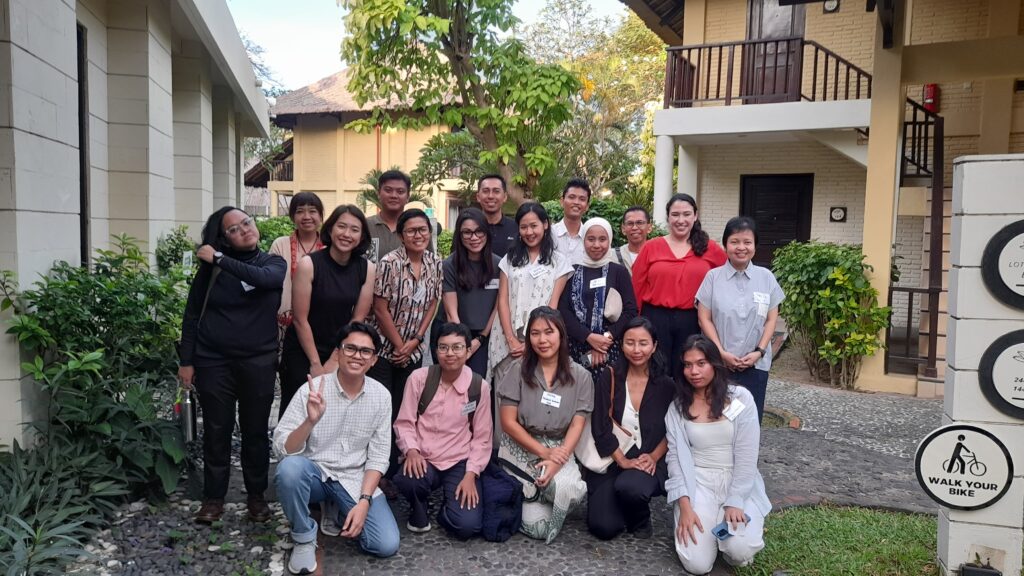
The report surveyed 304 organisations that support entrepreneurs across Indonesia.
These included capacity development organisations – which provided ongoing support such as training and mentoring – investors, incubators and accelerators.
The green economy has been named as one of six core areas for economic transformation in the Golden Indonesia 2045 agenda, which aims to turn Indonesia into a high-income nation by its centenary year.
“Bappenas (the Ministry of National Development Planning) estimates that green transition efforts could increase GDP to between 6.1 and 6.5 per cent annually through 2025, create 1.8 million green jobs by 2030 and raise gross national income per capita by up to 35 per cent by 2045,” the report says.
However organisations surveyed said that finance options did not always suit entrepreneurs’ needs.
“For example, some founders are reluctant to pursue conventional debt financing due to religious prohibitions on interest (riba),” the report said.
“Participants noted that the lack of mainstream or startup-friendly sharia financial products, especially outside Java, limits uptake even where demand exists.
The report recommends that financial institutions and funders expand access to sharia-compliant and blended finance instruments that align with local values and climate goals.

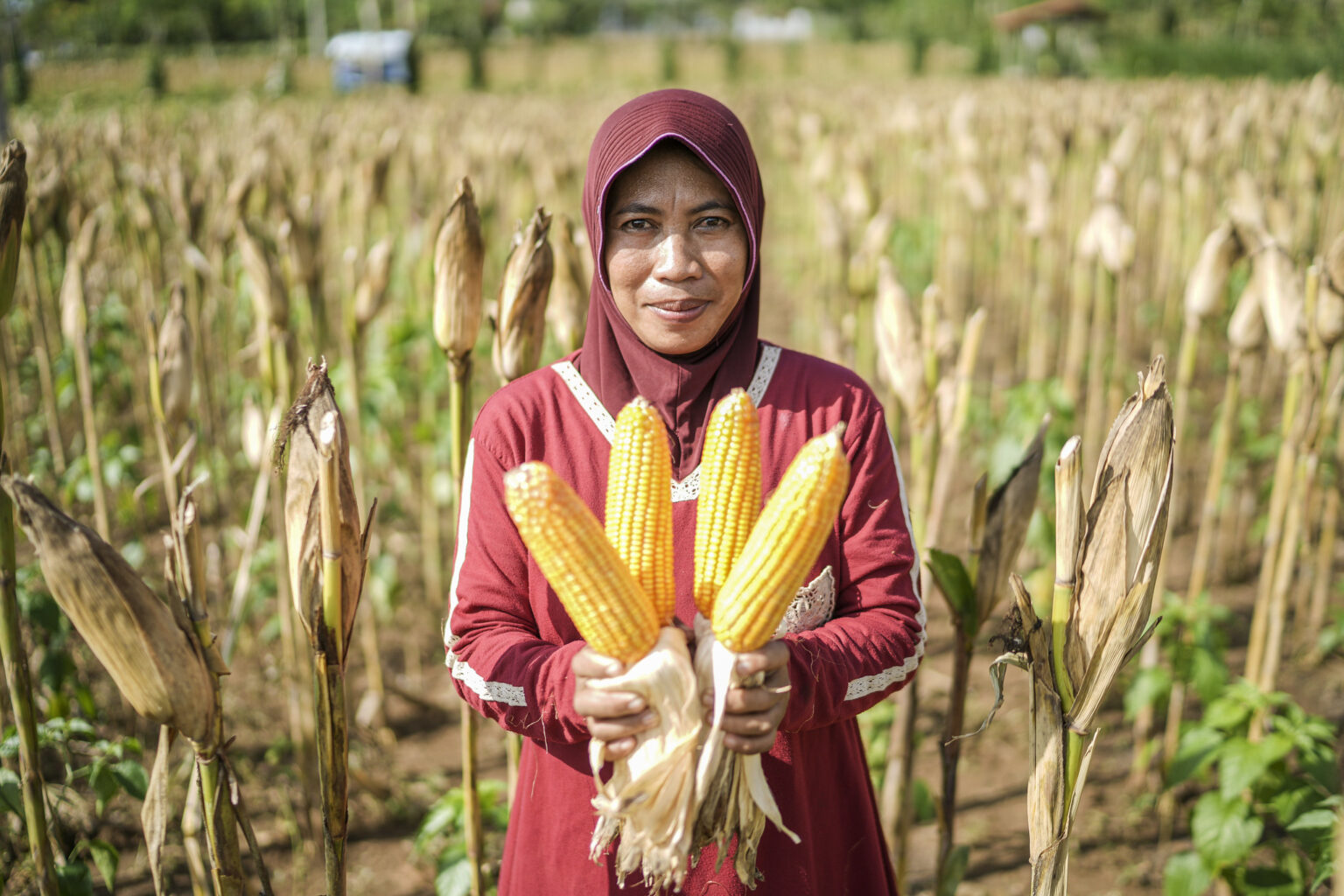
The report recommends funders broaden their definition of “climate-aligned” businesses to include sectors like agriculture. PHOTO: Jefri Tarigan
The organisations surveyed also said that businesses were often overlooked if they did not fit narrow definitions of “climate-aligned”, with many entrepreneurs associating sustainability primarily with plastic reduction.
“For example, an agriculture-focused MSME (Micro, Small and Medium-Sized Enterprise) reducing food waste may not be identified as a “climate business,” despite strong mitigation potential,” the report said.
It recommended funders broaden their definition of “climate-aligned” businesses to include sectors like agriculture, logistics, food systems, and clean cooking, especially when these ventures contribute to mitigation, resilience, or adaptation.
Java, particularly Jakarta, remained the most active region for green entrepreneurship. Of the organisations surveyed, 132 report were based in Jakarta, with an additional 85 in West Java and 72 in East Java.
Local incubators, especially outside Java, often lacked the visibility or credibility to attract sustained funding or partnerships, even when their reach was substantial.
“Outside of Java and Bali, incubator and accelerator infrastructure remain patchy and underfunded,” the report said.
Entrepreneurs with foreign degrees or fluent English were also more likely to be invited into programs, networks or investor conversations.
The report recommended more support, such as co-working spaces, venture studios, and innovation hubs, in regions like Papua, Maluku, and Nusa Tenggara.
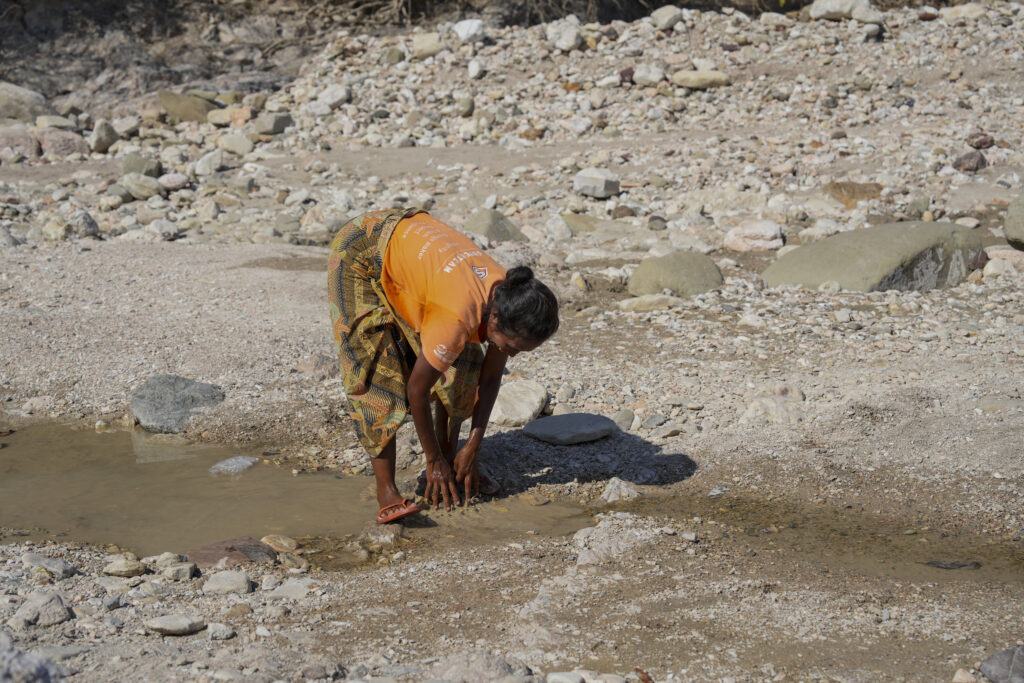
The report called for more support in regions such as Papua, Maluku, and Nusa Tenggara. PHOTO: Jefri Tarigan.
It said universities in Indonesia could also play a more active role in supporting climate entrepreneurs through technical research, access to facilities and student talent.
“Education on green entrepreneurship remains shallow, with one participant noting that only one university in Indonesia offers a renewable energy major,” the report said.
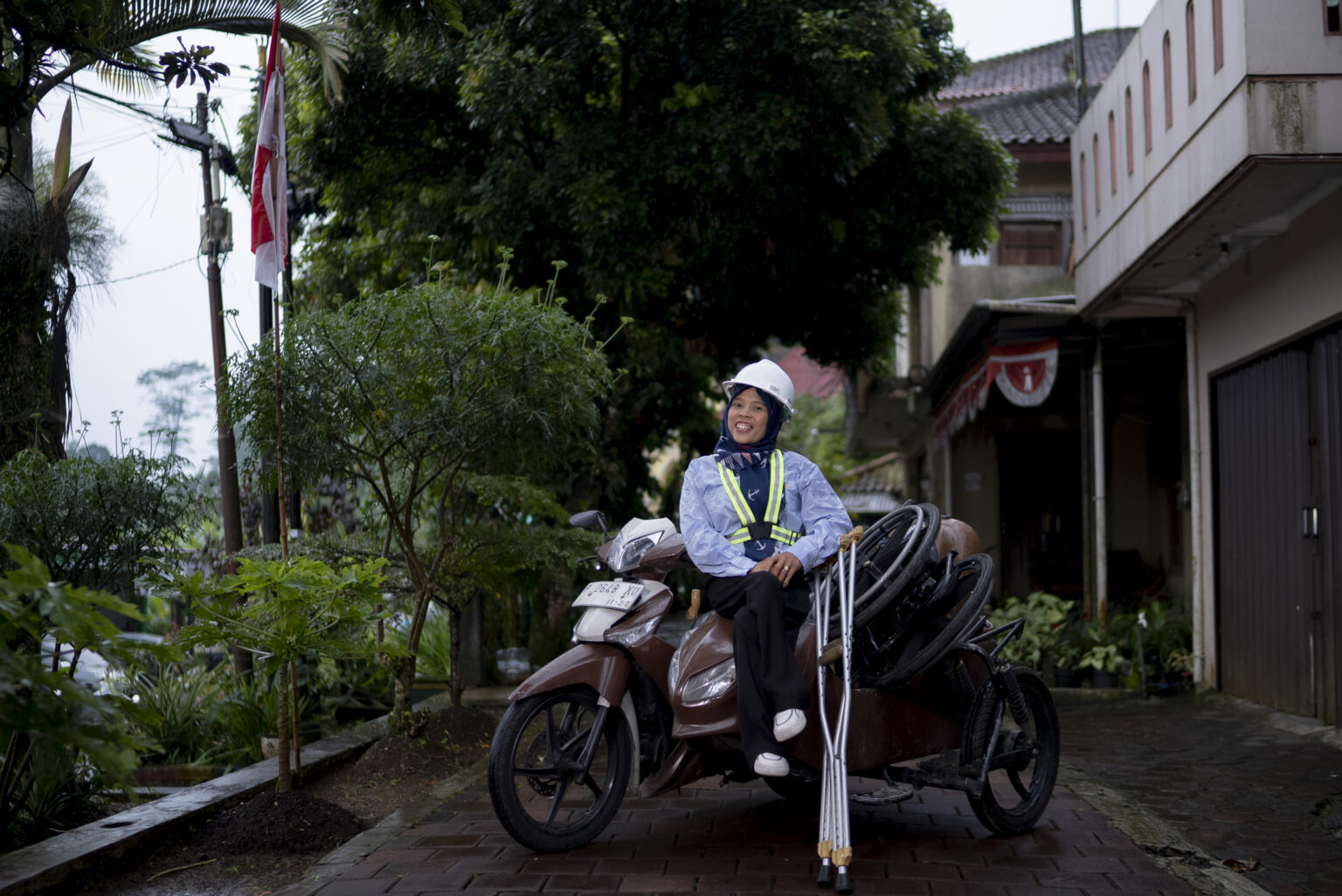
The report also found that women entrepreneurs still faced notable disadvantages, particularly within acceleration programs.
It recommended including gender and accessibility considerations in the selection process, tailoring support for women-led ventures and tracking gender impact metrics.
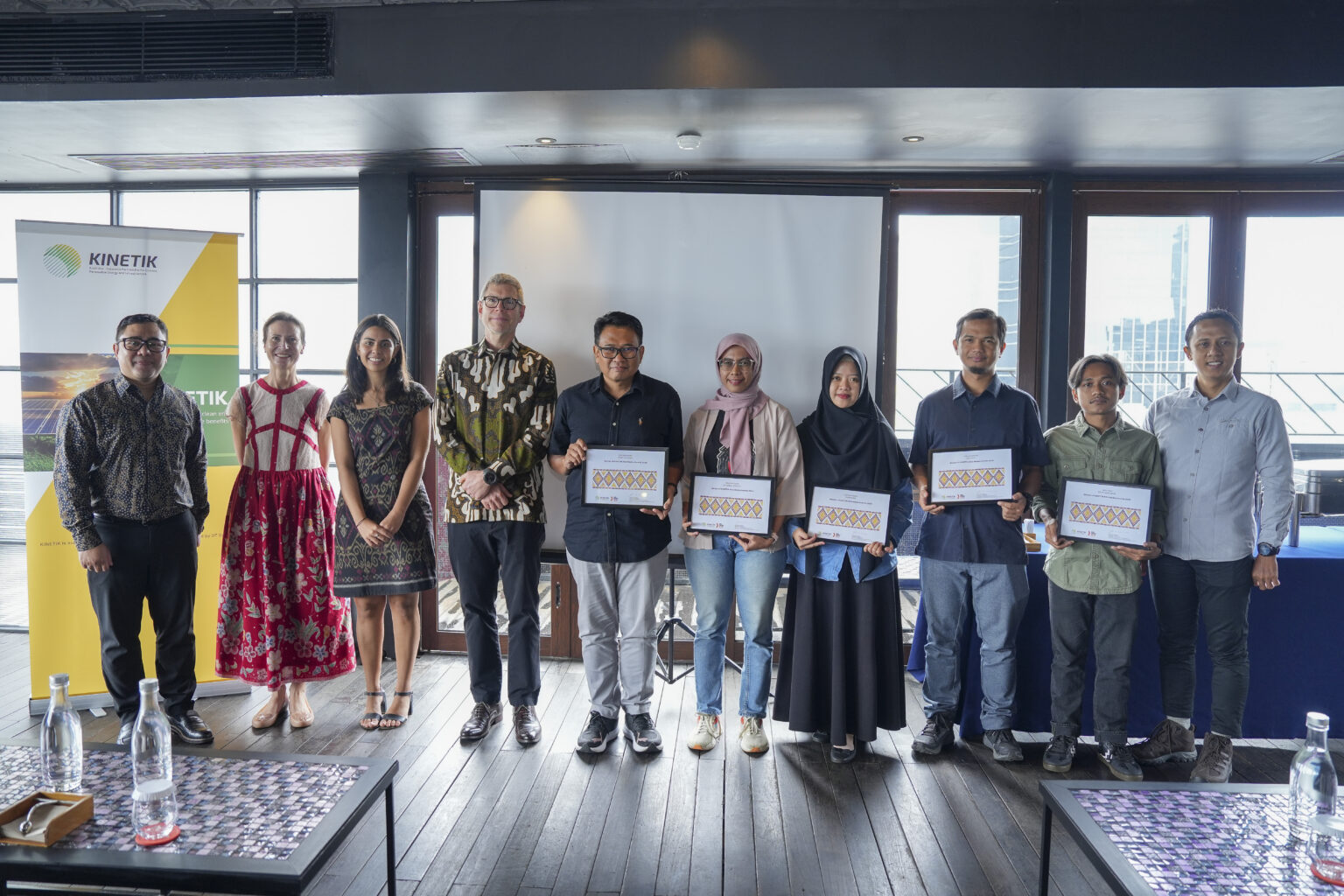
Sweef Capital said the report was developed to better understand the level of support for entrepreneurs in Indonesia’s green economy, identify gaps and opportunities, encourage more collaboration and help entrepreneurs understand the resources available to them.
“Through this research and capacity-building approach, the program aims to build resilient, future facing enterprises that advance both women’s economic participation and Indonesia’s green economy transition.”