
International Women’s Day roundup
Mar 09, 2026
4 Min
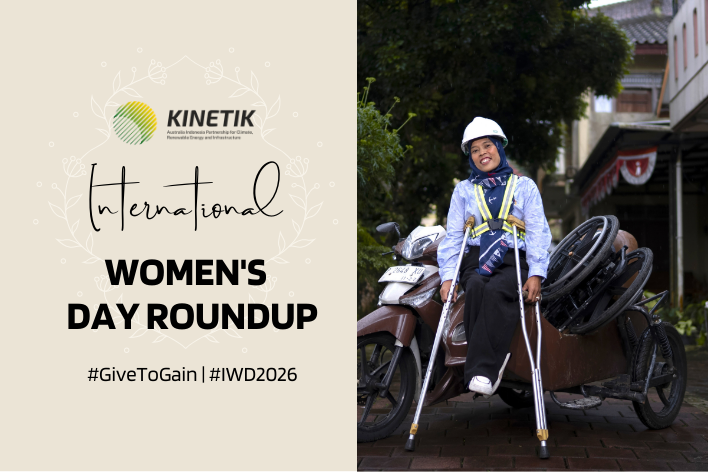
This International Women’s Day, the theme “Give to Gain” reminds us that when we invest in women, the returns ripple far beyond individuals.
Through KINETIK – Australia-Indonesia Climate, Renewable Energy and Infrastructure Partnership, Australia is helping unlock capital, tools, and partnerships that expand opportunities for women across Indonesia’s green economy.
From gender-lens investment to backing inclusive enterprises, these efforts show that supporting women is not a cost, it is a catalyst for growth.
When women participate fully in economies and climate solutions, businesses perform better, and communities become more resilient. Because when women gain, everyone rises.
No ramp, no access, until Maryam built one
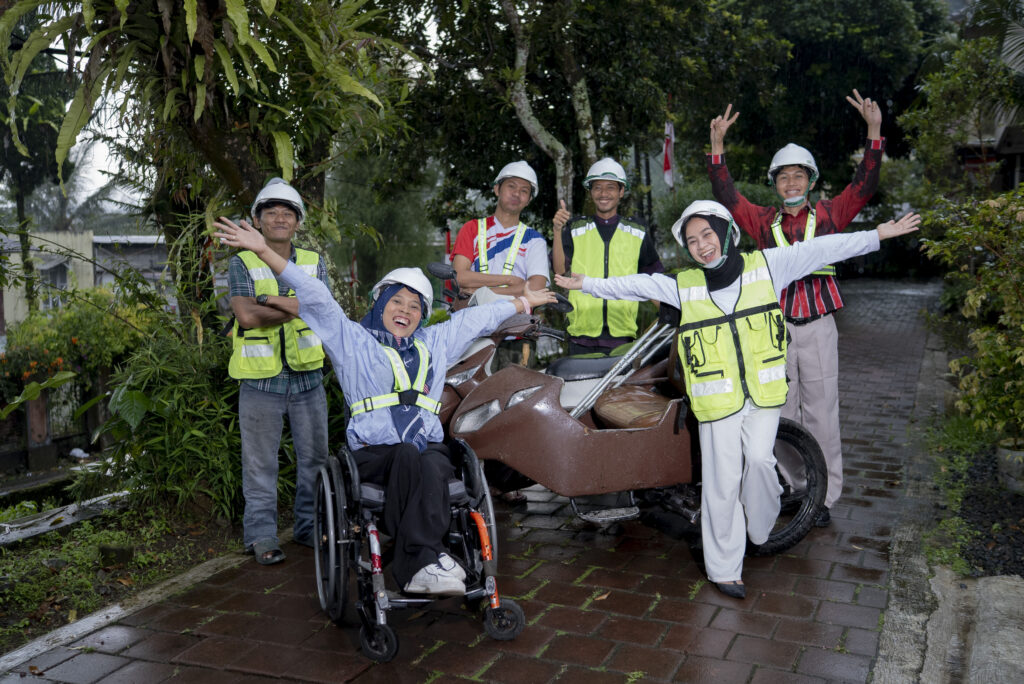
At a public service office in Wonosobo, Maryam Ramadani, a woman who uses a wheelchair, stopped at the foot of a staircase. There was no ramp. No handrail. No option.
Instead of accepting this barrier, she turned it into action. As an activist and social entrepreneur, Maryam now advocates for accessible infrastructure.
Through CV Cahaya Inklusi, she assessed public buildings and created portable ramps from recycled wood waste, improving access while supporting local livelihoods. She proves that inclusion must be built into development from the start.
Curious about her journey? Read the full story here: https://kinetik.or.id/no-ramp-no-access-until-maryam-built-one/
Microalgae, the carbon catcher and future food source
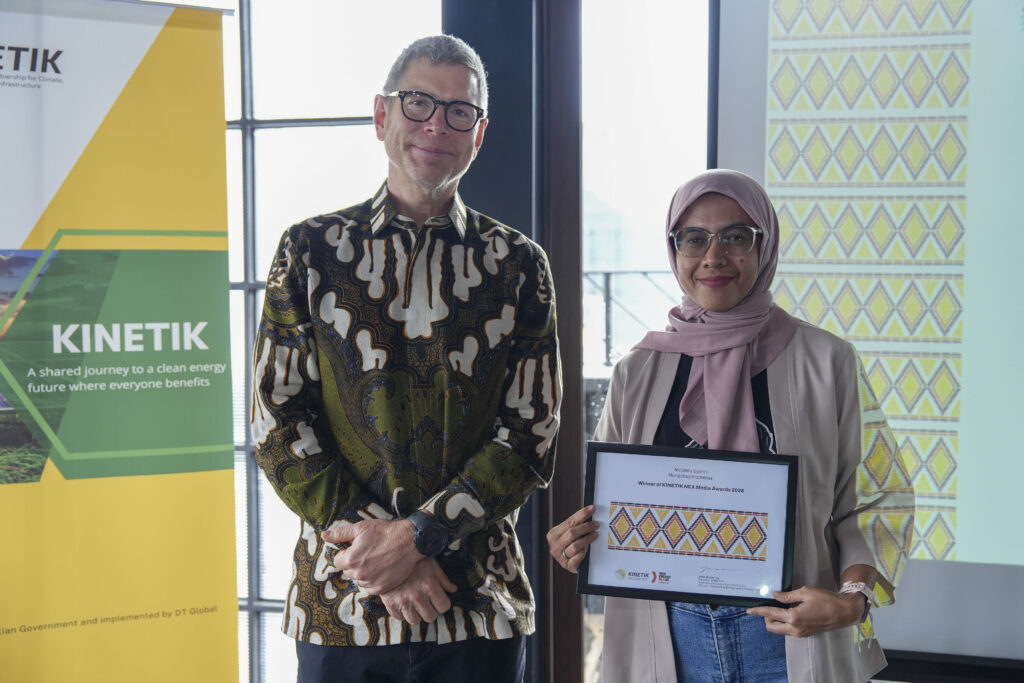
Della Syahni a journalist from Mongabay Indonesia, received the KINETIK NEX Media Award for her reporting on Algatech Nusantara, a startup developing microalgae solutions for carbon capture, food, animal feed, cosmetics, and bioenergy.
For Della, the story stood out because it offered something different. After years of reporting on environmental degradation, she wanted to highlight solutions, not just crises.
Her reporting took her to researchers and innovators who have been developing microalgae technology for decades but still struggle to gain sufficient support. Through her article, she hopes more people, especially those with funding and influence, will recognize the potential of these innovations and step forward.
“In a media landscape, where solution-based environmental reporting is rarely funded, programs like this matter. They create space for stories that remind us there is still room for hope, and action,” says Della.
Read her full article here:
https://mongabay.co.id/2026/01/09/mikroalga-si-penangkap-karbon-sampai-penyedia-pangan/
Unleashing Opportunities in Indonesia’s green economy
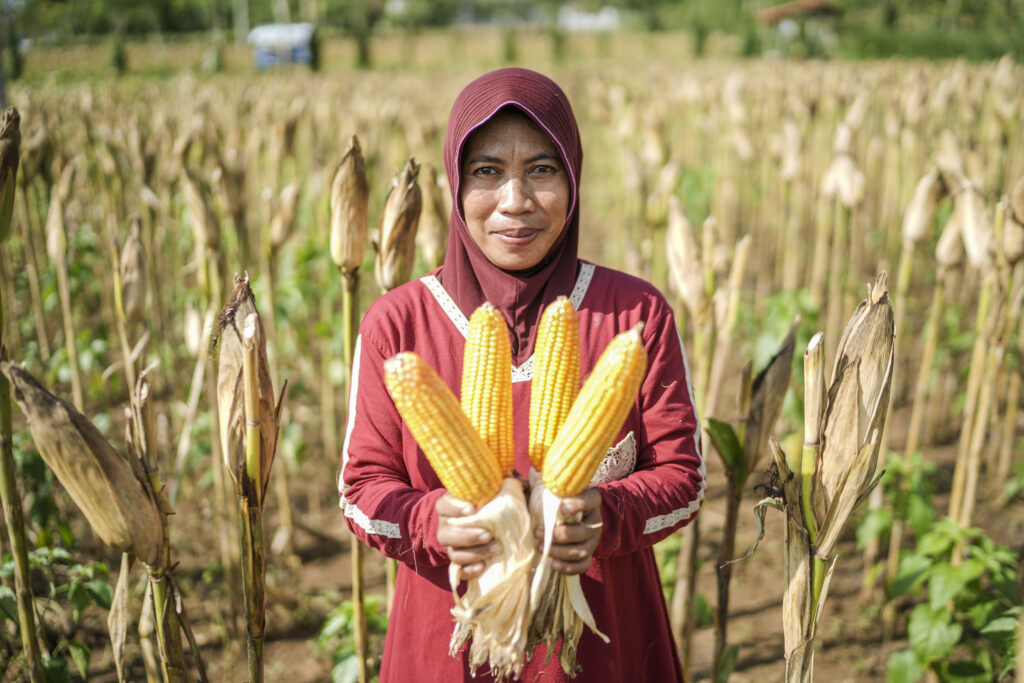
Sweef Capital recently published a report titled “The State of Indonesia’s Entrepreneurial System: Focus on the Green Economy.”
The report explores how Indonesia can grow its green economy in a more inclusive way, especially through better access to climate finance.
It highlights the need for additional funding options, including sharia-compliant financial products, so entrepreneurs can access capital without going against their religious values.
The report identifies several challenges:
To close these gaps, the report recommends expanding the definition of what counts as climate businesses, increasing partnerships with universities, and providing more support for startups outside big cities.
It also fosters a broad cross-sector collaboration to create a more inclusive and accessible green ecosystem.
Read the full article here: https://kinetik.or.id/unleashing-opportunities-in-indonesias-green-economy/
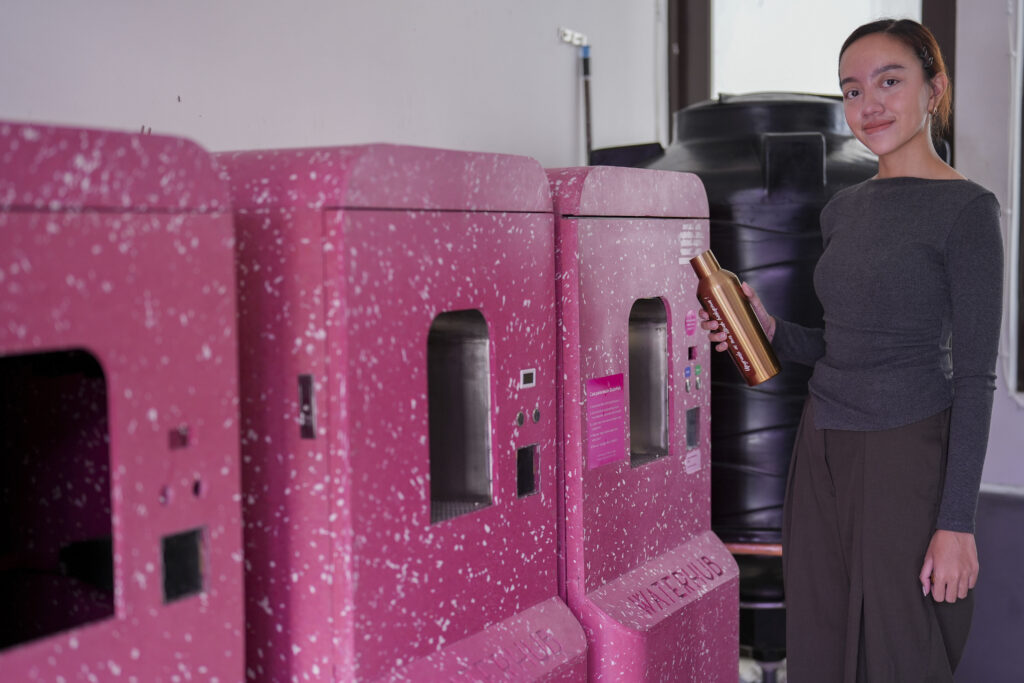
WaterHub’s simple solution to reduce plastic
Trained as an aerospace engineer, Lyonda Huwaidi chose to focus her work closer to home, solving Indonesia’s growing plastic waste and safe drinking water challenges.
She founded WaterHub, which installs water dispensers in schools, offices, and public spaces as a more affordable and sustainable alternative to bottled water.
Using advanced filtration systems, WaterHub can turn tap water, rainwater, groundwater, and even seawater into safe drinking water.
In 2025, the startup joined the KINETIK Sweef Fellowship supporting women-led impact businesses.
Read the full story and watch the video here: https://kinetik.or.id/waterhubs-simple-solution-to-reduce-plastic/